


TL;DR: ChatGPT Atlas Overview for Entrepreneurs
ChatGPT Atlas is a browser blending conversational AI with web functionalities, assisting founders in automating tasks and refining decision-making.
• Features such as Agent Mode automate complex actions like booking or summarizing research.
• Context-aware AI delivers tailored insights for improved efficiency.
• Privacy controls safeguard sensitive data during usage.
Concerns center on privacy risks and limited platform availability, but its tools may transform how startups handle workflows. Learn how AI browsers like ChatGPT Atlas fit into startup SEO strategies here. Ready to explore? Visit its official page!
Check out other fresh news that you might like:
10 Ways to Use AI for SEO (+Benefits, Challenges & Costs)

In recent years, founders and entrepreneurs have witnessed a wave of artificial intelligence innovations that claim to redefine how we work. OpenAI’s ChatGPT Atlas, an AI-powered web browser launched in late 2025, is among the most significant examples of this evolution. Atlas markets itself as more than a browsing tool, it promises to revolutionize how users think, search, and even automate workflows online. But here’s the big question: Does it live up to its claims, or is it just another shiny toy in the ever-busy tech world?
What Is ChatGPT Atlas and Why Does It Matter for Founders?
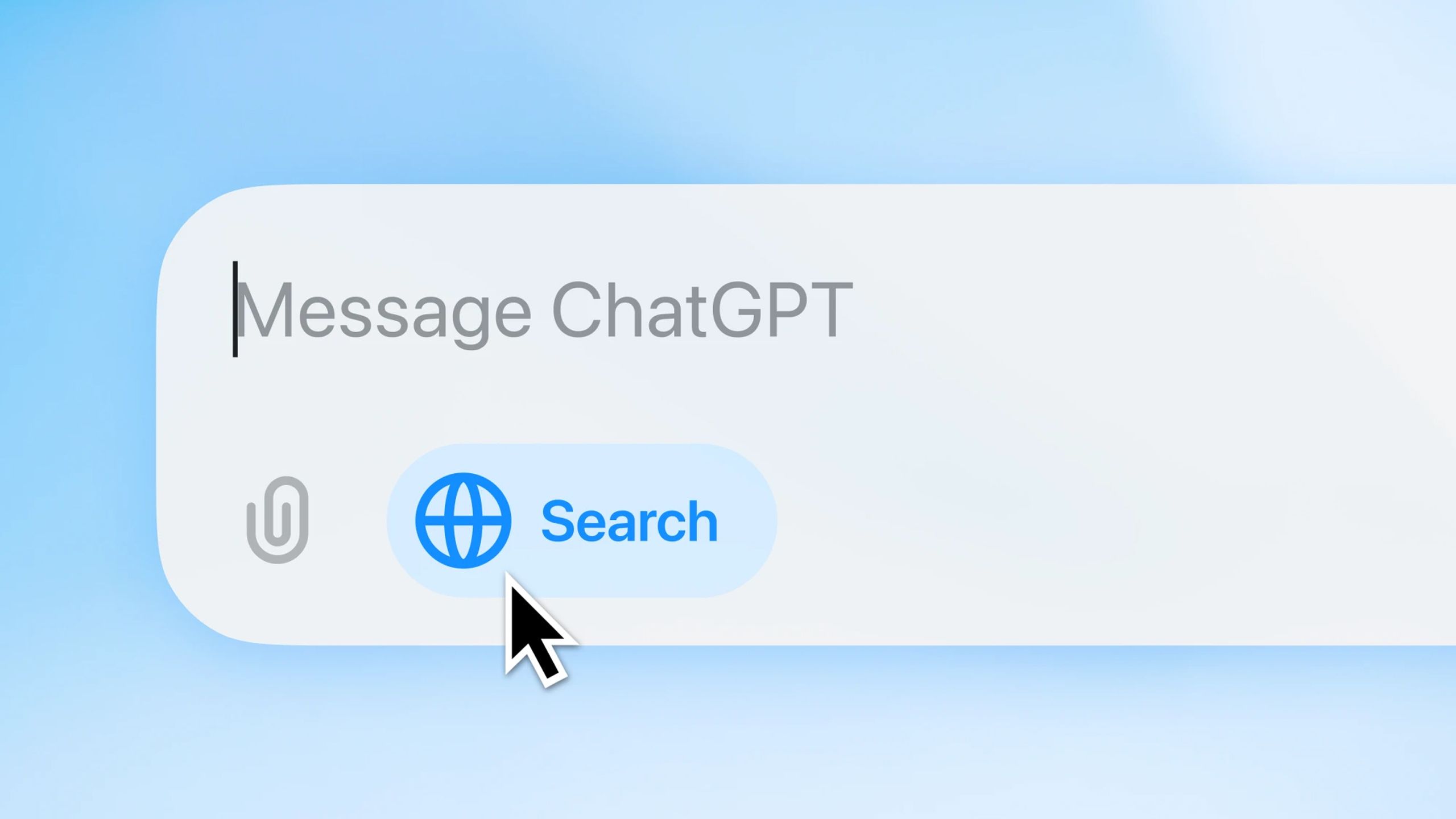
ChatGPT Atlas is a next-generation browser developed by OpenAI that integrates conversational AI directly into the browsing experience. Unlike conventional browsers like Google Chrome or Safari, Atlas acts both as a search tool and a personal assistant. With its built-in ChatGPT Sidebar and an automation feature known as Agent Mode, the browser is designed to handle tasks, respond in real-time, and provide context-aware assistance while you browse the internet.
For founders, this means the ability to elevate how they manage online research, automate repetitive tasks (like comparing product pricing), and improve decision-making by leveraging context-aware recommendations. Unlike traditional search engines that present static links, ChatGPT Atlas interprets user goals, connects relevant insights, and even executes actions, all from within an intuitive interface.
ChatGPT Atlas Key Features for Entrepreneurs
- Agent Mode: This AI functionality handles complex tasks such as filling out forms, booking appointments, or summarizing multi-tab research automatically.
- AI Context Awareness: By analyzing your browsing history and conversations, Atlas provides personalized recommendations in real time.
- Built-in Privacy Options: Users control what the AI can “remember,” ensuring sensitive data is protected while enabling efficient workflows.
- ChatGPT Sidebar: Always active, this sidebar offers conversational feedback, real-time suggestions, and problem-solving strategies tailored to what you’re working on.
From a business perspective, ChatGPT Atlas isn’t simply a browser, it’s a productivity tool that could reduce cognitive load by automating mundane online activities, allowing founders to focus on scaling their startups.
How Does ChatGPT Atlas Work?
At the heart of ChatGPT Atlas lies its architecture, nicknamed O.W.L. This proprietary system combines OpenAI’s Large Language Model (LLM) with a Chromium-based browser platform to support seamless multitasking. Unlike traditional browsers that rely exclusively on static web content, Atlas actively collates information from different sources and engages with users via interactive chat interfaces. Here’s how it works practically:
- Input and Context Integration: Users type queries or highlight segments across web pages, prompting Atlas to process this input within the browser’s sidebar.
- Reasoning and Analysis: Based on the user’s browsing history, search patterns, and real-time context, Atlas delivers relevant suggestions to enhance decision-making.
- Execution via Agent Mode: Whether it’s opening multiple tabs, organizing bookmarked content, or completing multi-step tasks, the browser automates these actions seamlessly.
For example, if you’re conducting product research while brainstorming your latest startup idea, Atlas can summarize competitor pages, suggest potential suppliers, or even draft outreach emails, all while you remain focused on strategy.
What Are the Challenges?
Despite its promise, ChatGPT Atlas comes with limitations. The privacy implications surrounding its advanced memory features have raised concerns, especially for founders who handle sensitive data. It also suffers from occasional glitches in Agent Mode, where tasks fail to complete fully without user intervention. Additionally, its macOS exclusivity (as of early 2026) limits adoption for those reliant on Windows or Android platforms.
How Founders Can Use ChatGPT Atlas to Their Advantage
As a serial entrepreneur, I, Violetta Bonenkamp, have had the privilege of testing Atlas during its rollout. Here’s how founders can leverage this browser to maximize productivity and competitive advantage:
- Automate Research: Instead of manually comparing competitors, let Atlas summarize data across sites and provide you with actionable points.
- Streamline E-commerce Tasks: Use Agent Mode to auto-apply discount coupons, compare supplier reviews, and even finalize transactions in one place.
- Centralize Team Communication: Atlas enables seamless task assignment by integrating project management tools directly within the browsing flow.
- Optimize Meeting Prep: Highlight key points from partner or investor websites, and let ChatGPT generate questions tailored for high-impact conversations.
In essence, ChatGPT Atlas is the browser equivalent of a “cofounder”, one who handles the grunt work while you focus on the big picture.
Common Mistakes to Avoid When Using ChatGPT Atlas
- Enabling Full Memory Too Quickly: Always test how much data the AI “remembers” before activating memory features for sensitive or private tasks.
- Overdepending on Agent Mode: While automation is helpful, manually verifying work outputs is still critical for high-stakes decisions.
- Skipping Context Updates: Regularly review your browser’s settings to ensure that irrelevant conversations don’t influence future insights.
- Ignoring Privacy Controls: Always customize privacy permissions before conducting competitive research to avoid unintentional data exposure.
The Verdict: A Tool Worth Trying
ChatGPT Atlas represents a bold entry into the market dominated by traditional browsers. For founders and startups, its potential to automate workflows, centralize online tasks, and personalize recommendations could drastically change how they execute day-to-day operations. That said, its success will depend on continued improvements, particularly around privacy management and cross-platform usability.
Ready to explore how ChatGPT Atlas could change your startup journey? Start experimenting today on its official page, and let us know which features you find most game-changing!
FAQ on ChatGPT Atlas for Entrepreneurs
What distinguishes ChatGPT Atlas from traditional browsers?
ChatGPT Atlas integrates conversational AI, providing a ChatGPT Sidebar for real-time assistance and Agent Mode for automation tasks, making it unique from browsers like Chrome. Discover AI Automations For Startups to boost your browser productivity.
How does Agent Mode enhance entrepreneurial workflows?
Agent Mode automates steps like form filling, scheduling, and organizing data across tabs, saving time. This feature aligns with workflow automation strategies discussed in the Startup News guide on ChatGPT.
Can ChatGPT Atlas improve decision-making for startups?
Yes, Atlas uses AI Context Awareness to analyze browsing preferences and history, providing relevant insights for better strategic decisions. Learn how to leverage AI SEO tools to scale smarter.
Are privacy settings customizable in ChatGPT Atlas?
Atlas allows users to control data sharing and memory features, a critical feature for founders dealing with sensitive data. Learn more about privacy concerns addressed in the Moz Whiteboard Friday article.
How do founders automate research using ChatGPT Atlas?
Atlas can summarize competitor websites and compare pricing effortlessly, allowing founders to focus on high-level business strategy. Discover additional automation benefits in the Startup News guide.
What are the current limitations of ChatGPT Atlas?
Key drawbacks include macOS exclusivity and occasional glitches in Agent Mode. These issues are detailed in articles on AI browser innovations like ChatGPT Atlas In-Depth Look.
How can startups optimize ChatGPT Atlas?
Founders should align tasks with AI automation strategies and ensure their content structure suits ChatGPT’s comprehension for analysis. Explore AI-driven content optimization.
What should startup founders avoid when using ChatGPT Atlas?
Avoid enabling full-memory usability too soon or over-relying on AI automation for critical decisions. Learn practical steps to avoid common mistakes with AI tools.
Is ChatGPT Atlas ready for enterprise environments?
Atlas shows promise for scaling startups but limits adoption with restricted cross-platform functionality beyond macOS. Explore the next-generation benefits in evolving AI marketing tools.
How does ChatGPT Atlas support startups in SEO optimization?
Atlas’s real-time analysis enhances SEO efforts by providing actionable insights based on search intent, supporting better rankings. Optimize your startup's visibility.
About the Author
Violetta Bonenkamp, also known as MeanCEO, is an experienced startup founder with an impressive educational background including an MBA and four other higher education degrees. She has over 20 years of work experience across multiple countries, including 5 years as a solopreneur and serial entrepreneur. Throughout her startup experience she has applied for multiple startup grants at the EU level, in the Netherlands and Malta, and her startups received quite a few of those. She’s been living, studying and working in many countries around the globe and her extensive multicultural experience has influenced her immensely.
Violetta is a true multiple specialist who has built expertise in Linguistics, Education, Business Management, Blockchain, Entrepreneurship, Intellectual Property, Game Design, AI, SEO, Digital Marketing, cyber security and zero code automations. Her extensive educational journey includes a Master of Arts in Linguistics and Education, an Advanced Master in Linguistics from Belgium (2006-2007), an MBA from Blekinge Institute of Technology in Sweden (2006-2008), and an Erasmus Mundus joint program European Master of Higher Education from universities in Norway, Finland, and Portugal (2009).
She is the founder of Fe/male Switch, a startup game that encourages women to enter STEM fields, and also leads CADChain, and multiple other projects like the Directory of 1,000 Startup Cities with a proprietary MeanCEO Index that ranks cities for female entrepreneurs. Violetta created the “gamepreneurship” methodology, which forms the scientific basis of her startup game. She also builds a lot of SEO tools for startups. Her achievements include being named one of the top 100 women in Europe by EU Startups in 2022 and being nominated for Impact Person of the year at the Dutch Blockchain Week. She is an author with Sifted and a speaker at different Universities. Recently she published a book on Startup Idea Validation the right way: from zero to first customers and beyond, launched a Directory of 1,500+ websites for startups to list themselves in order to gain traction and build backlinks and is building MELA AI to help local restaurants in Malta get more visibility online.
For the past several years Violetta has been living between the Netherlands and Malta, while also regularly traveling to different destinations around the globe, usually due to her entrepreneurial activities. This has led her to start writing about different locations and amenities from the point of view of an entrepreneur. Here’s her recent article about the best hotels in Italy to work from.

