


TL;DR: How to Launch a Startup on Bluesky
Launching a startup on Bluesky offers an exceptional way to connect with niche communities and gain visibility in 2026’s tech scene. Its decentralized structure provides entrepreneurs a chance to foster authentic relationships without the barriers of algorithmic bias.
- Prioritize transparency and post content rooted in your brand story.
- Connect with hyper-specific communities using targeted hashtags.
- Test ideas and gain quick feedback through real-time interactions.
- Partner with other startups to expand presence without large budgets.
Start by setting up a compelling profile while experimenting with content to build trust and engagement, or explore Bluesky for Startups for more actionable tips.
Check out startup news that you might like:
Startup News: The Ultimate Guide to ESA’s Ariane 6 Mistakes and what Founders Can Learn in 2026
Startup News: Hidden Insights and Tested Tips for Open Publishing and Decentralisation in 2026
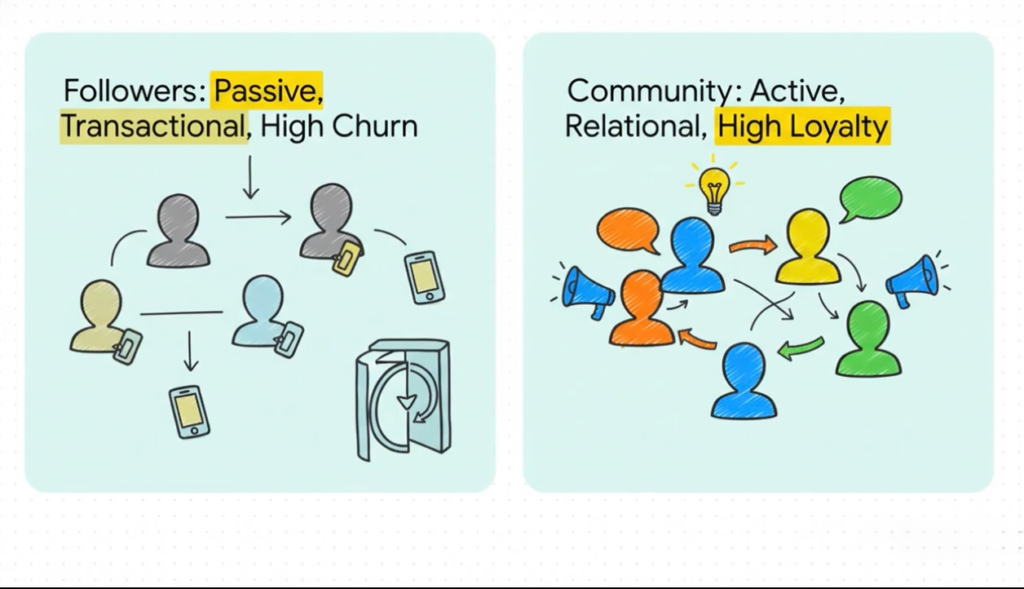
If you’re wondering how to launch a startup on Bluesky, you’re tapping into a unique opportunity for visibility and strategic engagement in 2026’s evolving tech ecosystem. Unlike traditional social platforms, Bluesky’s decentralized nature and innovative features make it a fertile ground for forward-thinking entrepreneurs.
Bluesky isn’t just another social media platform, it’s a decentralized hub that prioritizes real-time interactions and algorithmic discovery. With its gradually expanding user base of over 42 million, Bluesky fosters direct, meaningful connections. For startups, the potential to build credibility, activate niches, and engage early adopters is enormous.
📊 Why Startups Should Focus on Bluesky
Launching your startup into the Bluesky sphere makes sense because the platform prioritizes authenticity, visibility, and decentralized control, three factors critical to startup success in today’s tech spaces. According to TechCrunch, Bluesky’s 2026 roadmap highlights improvements to algorithmic discoverability and user interaction. This puts startups on a level playing field with established players when it comes to showcasing innovation and connecting with potential clients or investors.
Beyond connection-building, Bluesky offers an escape from algorithms designed to bury small businesses in favor of massive brands. By adopting Bluesky early, startups gain an edge in their quest for audience trust and organic growth. Entrepreneurs can also experiment with content to cultivate niche communities much faster compared to larger platforms.
🔍 How to Leverage Bluesky for Startups
- Start with authenticity: Post content that’s genuine and rooted in your brand story. Bluesky users dislike heavy ads but prefer valuable insights and transparent sharing of journeys.
- Build niche audiences: Engage with hyper-specific hashtags and communities aligned with your product or category.
- Experiment: Use Bluesky as a testing ground, much like Reddit, to validate ideas quickly via feedback loops and polls.
- Partner with other startups: Use environment-friendly collaboration opportunities. Strategic partnerships could amplify your presence without additional funding.
- Use hashtags for early traction: Bluesky’s improved algorithmic discoverability suggests posting under themes relevant directly to your market.
⚠️ Mistakes Founders Commonly Make on Bluesky
- Poor content planning: Posting sporadically might give the impression of a half-hearted brand. Consistency matters, a strategic calendar takes the guesswork out of building trust.
- Ignoring feedback: Many startups post but fail to analyze reactions or change their direction accordingly. Feedback is Bluesky’s goldmine for startups refining their offers.
- Too much hard selling: Users appreciate subtle storytelling that solves their problems, not sales pitches on every post.
- Underestimating early testing: Many founders wrongly assume that platforms like Bluesky work identically to LinkedIn without leveraging its distinct features for specific audience-building tactics.
📋 A Bluesky Startup Launch Checklist
- Set up your profile: This is your startup’s face. Make it visually appealing, succinct, and loaded with reasons to follow.
- Create high-value content: Post stories that educate or entertain, bridging value with engagement.
- Use introductory offers: Share exclusive deals or pilots to entice Bluesky users as early adopters.
- Engage 1:1: Direct replies and authentic conversations are essential for relationship-building. Remember, it’s not mass broadcasting here, it’s about community involvement.
- Analyze data: Measure post engagement weekly to determine what resonates with your niche.
🏆 Best Practices for Bluesky Growth
- Hack visibility: Pin posts that explain your USP. Boost visibility through early hashtags and interactive polls.
- Leverage discoveries: Use the LinkedIn For Startups approach but personalize it. Focus on target-driven conversations instead of bulk engagement.
- Collaborate: Like Bluesky’s decentralized nature, partnerships with similar-sized startups can create shared trust and engagement loops.
- Iterate weekly: Change your posting style based on feedback. Treat Bluesky like a high-speed lab compared to older platforms.
🚀 Closing Thoughts
Bluesky is the perfect environment for startups bold enough to embrace decentralized, real-time communication. It’s not just tech, it’s a movement towards reshaping engagement dynamics. Founders must treat Bluesky not as a replacement but a strategic edge platform alongside efforts like Reddit or LinkedIn.
By prioritizing smart content strategies and relationship-building over outdated marketing templates, you can carve a unique niche against giants. Start today, experiment boldly, and let Bluesky amplify your entrepreneurial story.
People Also Ask:
How do you create a starter pack on Bluesky?
To create a starter pack on Bluesky, go to your profile and select the "Starter Packs" tab. Click "Create", provide a name and description, and add accounts or feeds to the pack either by searching or selecting them from your following list.
How can I get started using Bluesky?
To begin using Bluesky, visit bsky.app, enter your email, create a password, and provide your birthdate. Choose your hosting option and follow the prompted steps to complete your account setup.
What is Bluesky and how did it start?
Bluesky initially started as a research project within Twitter in 2019 and became an independent company in 2021. After Elon Musk's acquisition of Twitter, Bluesky's focus shifted towards becoming a prominent standalone social platform.
How do you introduce yourself to the Bluesky community?
Introduce yourself on Bluesky with a detailed post about who you are, where you're from, and your reasons for joining. With a smaller user base, your post has better visibility, increasing the chance of engaging with others.
How can you find starter packs on Bluesky?
You can find starter packs by accessing the "Starter Packs" section within the Bluesky app, which features curated collections of accounts and feeds that match your interests.
Does Bluesky cater to new startup ventures?
Bluesky provides features that can benefit startups, such as collaborative tools, exposure through starter packs, and opportunities to connect with niche user communities.
Can Bluesky be considered a startup?
Yes, Bluesky can be seen as a startup. It became an independent entity in 2021, evolving from a Twitter research initiative, and has since developed its own infrastructure and user base as a social network.
How is Bluesky different from other social platforms?
Bluesky focuses on decentralization and user-defined experiences. It allows users to customize their social interactions, supporting greater autonomy compared to traditional platforms.
What are some tips for creating a Bluesky business profile?
To create a business profile, sign up for an account, optimize your profile by adding unique details about your business, and customize the experience to align with your goals by engaging with relevant users and creating starter packs.
How does Bluesky support community engagement?
Bluesky encourages community engagement through its starter packs, which help users discover and connect with like-minded people. It also provides tools to facilitate meaningful interactions and collaborations.
FAQ on Launching a Startup on Bluesky
How does Bluesky’s decentralized nature benefit startups?
Bluesky’s decentralized framework allows startups to control their content without platform interference. This boosts transparency, data ownership, and niche visibility. Explore this concept further in 2025 Startup News: What is Bluesky? to strengthen your foundational understanding.
What type of content works best on Bluesky?
Authentic, storytelling-driven content that shares real challenges, solutions, and engagement activities appeals most to Bluesky’s user base. Avoid overly polished ads and focus on relatable, value-driven posts. Learn from lessons outlined in the Threads for Startups guide.
How can startups use Bluesky to connect with early adopters?
Early adopters can be engaged by joining specific hashtag conversations and sharing content tailored to their niche interests. Building a trusted community starts by resonating with innovators on decentralized networks.
What unique tools on Bluesky assist startups in creating traction?
Its improved Discover Feed and hashtag algorithm allow content creators to gain visibility faster. Strategic partnerships with other startups using Bluesky can also accelerate this growth. Curious about tactical collaboration? Check out this AI automations guide.
Can Bluesky be integrated into broader startup marketing strategies?
Yes, Bluesky complements platforms like LinkedIn and Reddit by offering a testing ground for new ideas. Use it as part of a multi-channel approach to gain diverse feedback and validate campaigns. For ideas, read more in this Reddit for Startups blog.
How do startups measure success on Bluesky?
Evaluate metrics like niche follower growth, content engagement rates, and conversions through link analytics tools. Consistently testing and refining strategies will reveal what works on this unique platform.
What are cost-effective ways to promote startups on Bluesky?
Bluesky makes bootstrapping simpler with organic growth tools, such as polls, discussion threads, and community collaborations. For further insights into scaling without heavy investment, refer to the Bootstrapping Startup Playbook.
What industries thrive the most on Bluesky?
Sectors focusing on tech, sustainability, and innovation thrive, as the platform attracts forward-thinking audiences. Startups using eco-friendly practices or breakthrough technologies can connect with passionate backers.
How can startups avoid common pitfalls on Bluesky?
Focus on planned, consistent content sharing rather than sporadic posts. Also, avoid spamming or hard-selling audiences, which disconnects users. Learn strategic techniques for avoiding mistakes in the Bluesky for Startups guide.
Is Bluesky better suited for B2B or B2C startups?
Bluesky supports both B2B and B2C startups due to its diversified audience. Organic community engagement fits B2C goals, while B2B can utilize the authenticity and tailored content needs of professionals.
About the Author
Violetta Bonenkamp, also known as MeanCEO, is an experienced startup founder with an impressive educational background including an MBA and four other higher education degrees. She has over 20 years of work experience across multiple countries, including 5 years as a solopreneur and serial entrepreneur. Throughout her startup experience she has applied for multiple startup grants at the EU level, in the Netherlands and Malta, and her startups received quite a few of those. She’s been living, studying and working in many countries around the globe and her extensive multicultural experience has influenced her immensely.
Violetta is a true multiple specialist who has built expertise in Linguistics, Education, Business Management, Blockchain, Entrepreneurship, Intellectual Property, Game Design, AI, SEO, Digital Marketing, cyber security and zero code automations. Her extensive educational journey includes a Master of Arts in Linguistics and Education, an Advanced Master in Linguistics from Belgium (2006-2007), an MBA from Blekinge Institute of Technology in Sweden (2006-2008), and an Erasmus Mundus joint program European Master of Higher Education from universities in Norway, Finland, and Portugal (2009).
She is the founder of Fe/male Switch, a startup game that encourages women to enter STEM fields, and also leads CADChain, and multiple other projects like the Directory of 1,000 Startup Cities with a proprietary MeanCEO Index that ranks cities for female entrepreneurs. Violetta created the “gamepreneurship” methodology, which forms the scientific basis of her startup game. She also builds a lot of SEO tools for startups. Her achievements include being named one of the top 100 women in Europe by EU Startups in 2022 and being nominated for Impact Person of the year at the Dutch Blockchain Week. She is an author with Sifted and a speaker at different Universities. Recently she published a book on Startup Idea Validation the right way: from zero to first customers and beyond, launched a Directory of 1,500+ websites for startups to list themselves in order to gain traction and build backlinks and is building MELA AI to help local restaurants in Malta get more visibility online.
For the past several years Violetta has been living between the Netherlands and Malta, while also regularly traveling to different destinations around the globe, usually due to her entrepreneurial activities. This has led her to start writing about different locations and amenities from the point of view of an entrepreneur. Here’s her recent article about the best hotels in Italy to work from.

