
Buying a House in the Netherlands as an Expat Founder: What To Know Before You Call a Makelaar
Buying a house in the Netherlands as an expat founder? Learn the Dutch buying steps, costs, bidding risks, mortgage checks, and when to call a makelaar.
Buying a house in the Netherlands as an expat founder can become a second company project if you handle it casually. The viewings move fast, the documents pile up, the mortgage questions get personal, and every mistake competes with the same brain you need for customers, cash flow, and hiring.
I would treat the home purchase as an operating decision. The goal is simple: buy a base that protects your focus, family logistics, commute, runway, and legal certainty while you keep building the company.
TL;DR: If you are an expat founder buying a house in the Netherlands, get mortgage clarity before viewings, learn the Dutch bidding process, understand buyer costs, and bring in a buying agent once the search gets serious. A makelaar can help you read the neighborhood, move quickly, structure the offer, and avoid paperwork mistakes that cost more than the fee.

Why founders should think about housing like runway
Founders usually talk about runway as cash in the bank. Housing affects that runway too.
Rent uncertainty, long commutes, school stress, noisy apartments, and short leases all drain attention. A stable home can reduce that drag, especially when you are building in a new country and still learning how Dutch systems work.
The danger is emotional buying. The Netherlands has cities where the market moves quickly, and expats can feel pressure to decide after one viewing. Founders are used to making decisions with incomplete information, but housing adds legal, tax, financing, and family consequences.
Before you book viewings, answer four questions:
- Can my income profile support a Dutch mortgage right now?
- How much cash do I need beyond the purchase price?
- Which locations protect my work rhythm and personal life?
- Who will catch process mistakes before I sign?
That is where a buying agent becomes useful. Interhouse explains its Dutch buying support on its information about buying a property page, and that kind of help matters when the buyer is dealing with a new legal process in a foreign market.
The Dutch home buying process in plain English
The Dutch process is easier to manage when you split it into stages.
First, get mortgage advice. A lender or mortgage advisor needs to understand your salary, contract, company income, residence status, debts, savings, and the property type you want. The Hypotheker expat mortgage guide is a useful starting point for the financing side.
Second, choose your search area. For founders, this is more than neighborhood taste. You need to think about airport access, school routes, client meetings, train links, office access, noise, internet quality, and whether the area supports your daily energy.
Third, view properties with a strict checklist. Look at the home, but also look at the building, owners association, energy label, street, storage, roof, foundation risk, future maintenance, and commute.
Fourth, bid with conditions that match your risk. Dutch offers can include financing conditions, a technical inspection condition, a transfer date, and other terms. Seller certainty can matter as much as the number.
Fifth, move through the purchase agreement, cooling-off period, mortgage approval, valuation, notary, transfer deed, and keys.
The NVM expat information page gives a useful overview of how Dutch real estate agents work, and I am Expat’s guide to buying a house in the Netherlands is a good plain-English reference for common steps.
What to prepare before the first serious viewing
Do the boring work early. It saves time later.
Mortgage pre-check, income documents, and savings overview help you set a realistic buying range before the market pressures you.
Buyer costs, tax, notary, valuation, advice fees, and moving budget need to sit outside the headline purchase price.
Annual accounts, contracts, salary structure, and accountant input can matter when founder income is less standard.
Commute, school, train access, airport access, and work rhythm should guide the search area before viewings begin.
Buying agent, mortgage advisor, inspector, and notary shortlist should be ready before the right home appears.
Maximum bid, renovation appetite, inspection threshold, and cash buffer should be agreed before emotion enters the room.
Why a buying agent can matter more for expat founders
A buying agent is useful when you lack local pattern recognition.
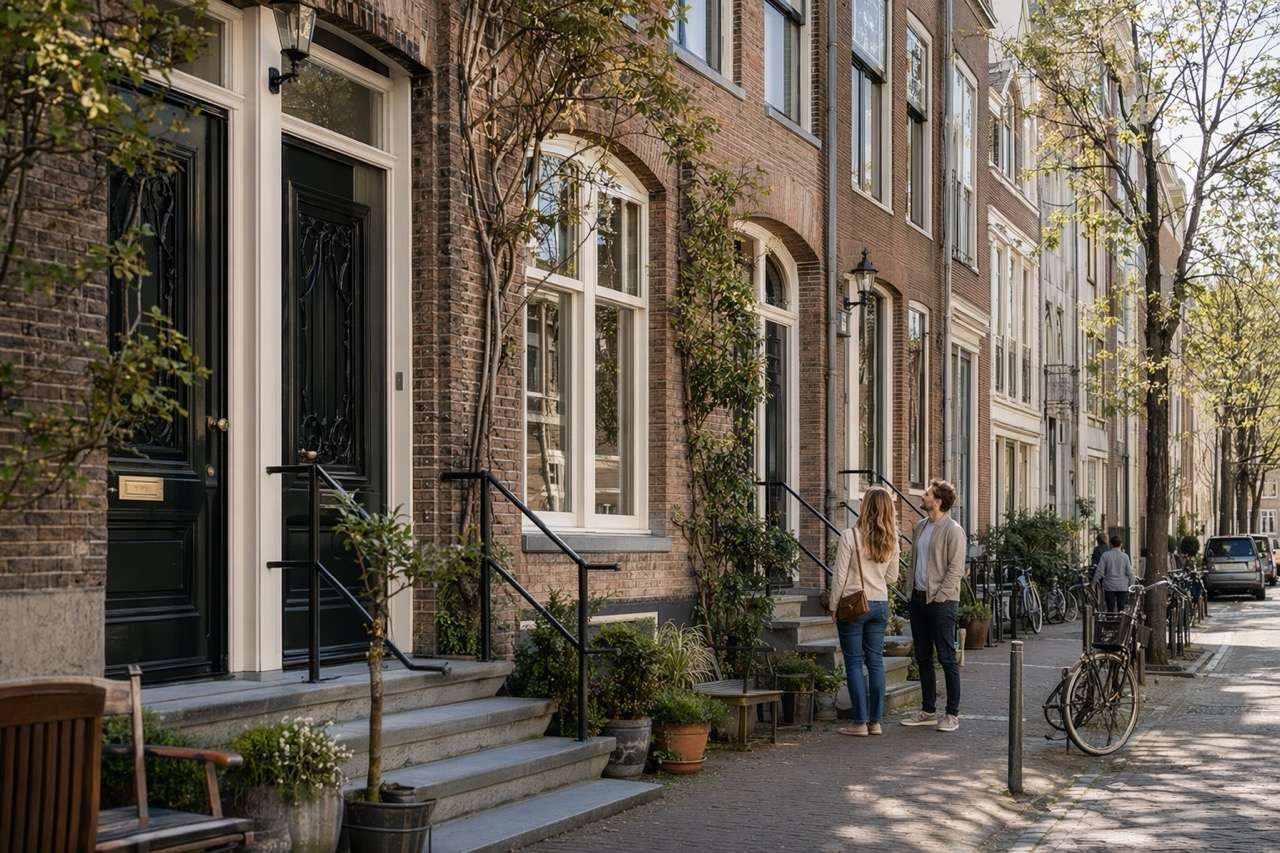
Dutch buyers often understand unwritten signals. They know which streets feel different after dark, which buildings may hide owners association issues, which asking prices invite overbidding, and which homes will create renovation headaches.
An expat founder may be excellent at business negotiation and still miss housing signals that locals read in seconds.
The right buying agent helps with shortlisting neighborhoods, filtering homes, checking documents, reading owners association information, discussing bidding tactics, recommending inspection contacts, and keeping the buyer calm when the market moves quickly.
Interhouse has local offices, including its Amsterdam real estate agency page, which is the kind of local presence expat buyers should look for when a purchase involves both relocation and market unfamiliarity.
The costs expat founders often underestimate
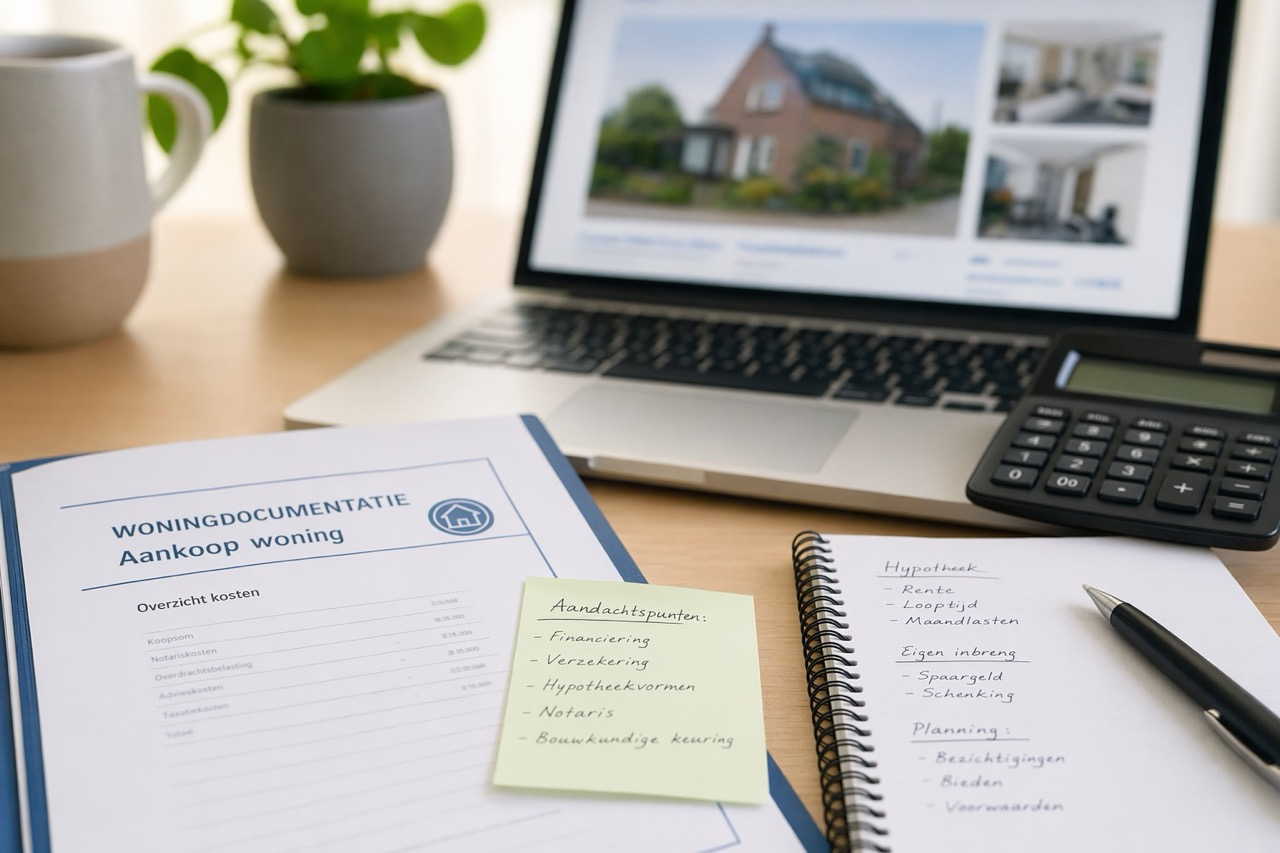
The buyer’s budget should include more than the offer price.
You may need to plan for transfer tax, notary fees, mortgage advice, valuation, technical inspection, translation support, moving costs, furniture, renovation, temporary rent overlap, and a cash buffer after completion.
The Dutch government explains real estate transfer tax rates, and Business.gov.nl also covers property transfer tax in the Netherlands. Check the current rate before you model your budget, because tax rules depend on use, age, price, and exemptions.
Founders should also model opportunity cost. If buying a home drains the cash buffer that lets you pay yourself during a slow sales quarter, the home may look affordable on paper and feel expensive in real life.
- Keep a personal emergency buffer after closing.
- Keep business cash separate from housing emotion.
- Avoid renovation plans that require your attention during a company crunch.
- Put commute and sleep quality above impressive square meters.
- Buy the home that supports the next three years of your work life.
When buying makes sense after relocation
Buying can make sense when you expect to stay, your income is financeable, your cash buffer survives the purchase, and your family or work life benefits from stability.
It can also make sense when rent has become a distraction. If you are renewing leases, hunting for larger rentals, or moving between temporary homes, buying may reduce uncertainty.
Still, timing matters. A founder who has just moved to the Netherlands may need six to twelve months to understand neighborhoods, school routes, tax setup, and realistic work patterns. Renting first can be the smarter move when your life design is still changing.
That is also why F/MS Startup Game’s broader focus on startup learning and relocation support is relevant. Founders make better personal decisions when they understand the country they are building from alongside the legal route into it.
How I would choose the right Dutch buying partner
I would look for five traits.
First, expat experience. The agent should understand how foreign buyers think, where confusion happens, and which explanations need to be explicit.
Second, local depth. A national brand can help, but the person handling your search needs real neighborhood knowledge.
Third, process calm. You want someone who can slow you down when the market pressures you and speed you up when the right property appears.
Fourth, document discipline. The agent should care about the owners association, maintenance, legal details, and financing conditions.
Fifth, communication style. Founders move fast and often ask direct questions. You need a partner who can answer directly without hiding behind process language.

Mistakes expat founders should avoid
The first mistake is falling in love with the property before understanding the neighborhood. A beautiful home can still damage your week if the commute, noise, school route, or workspace is wrong.
The second mistake is treating the mortgage as a last step. Financing uncertainty weakens your bid and creates stress after the offer.
The third mistake is ignoring buyer costs. If your model only includes the property price, it is incomplete.
The fourth mistake is using a founder-risk mindset in a personal purchase. Startup risk and home-buying risk should feel different. You can pivot a product. A bad house purchase is expensive to unwind.
The fifth mistake is delaying help until after you lose two bids. If you are serious about buying, the buying agent, mortgage advisor, inspector, and notary list should be ready early.
The bottom line
Buying a house in the Netherlands as an expat founder can be a smart move when the home supports your work rhythm and your personal life. It can become expensive distraction when the process starts with emotion and ends with rushed paperwork.
Treat the purchase like a founder operating decision. Define the budget, protect the cash buffer, learn the process, pick the location around your real week, and bring in local expertise before the market forces a rushed answer.
That is how a Dutch home becomes a base for the company you are building, rather than another system you have to survive.
FAQ
Can expats buy a house in the Netherlands?
Yes. Expats can buy property in the Netherlands. The practical questions are usually financing, residence status, income proof, taxes, and whether the buyer understands the Dutch process well enough to make a clean offer.
Do I need a buying agent in the Netherlands?
You can buy without a buying agent, but expat buyers often benefit from local guidance. A buying agent can help with neighborhood selection, viewings, bidding, documents, and process timing.
What is a makelaar?
A makelaar is a Dutch real estate agent. A selling agent represents the seller. A buying agent represents the buyer. Make sure you know which side the agent is working for before sharing your budget and negotiation position.
Should founder income be discussed before viewings?
Yes. Founder income can be less standard than employee income, especially when salary, dividends, company results, and contracts are involved. Speak with a mortgage advisor before serious viewings.
What costs come on top of the purchase price?
Common costs can include transfer tax, notary fees, mortgage advice, valuation, inspection, moving costs, and renovation. Rules and rates can change, so check current official sources before committing.
Is Amsterdam the best place for expat founders to buy?
Amsterdam can work well for access, network, and international life, but it is expensive and competitive. Founders should also compare Haarlem, Utrecht, Leiden, Amstelveen, Rotterdam, The Hague, Eindhoven, and smaller towns around their real work pattern.
How fast does the Dutch buying process move?
It can move quickly once you find a property. The slow part should happen before the viewing: mortgage preparation, neighborhood choices, document readiness, and advisor selection.
What should I ask a buying agent before hiring them?
Ask about recent expat purchases, neighborhood experience, bidding approach, fees, communication speed, document checks, and whether they can introduce reliable mortgage, inspection, and notary contacts.
Should I buy immediately after relocating?
Some founders should wait. Renting first can help you understand neighborhoods, schools, commute, tax setup, and the reality of your Dutch life before locking into a purchase.
What makes a good home purchase for a bootstrapped founder?
A good purchase protects focus, cash, sleep, commute, and family logistics. The right home should make the company easier to build from every week.

Violetta Bonenkamp is a serial entrepreneur and founder of CADChain and F/MS. On Mean CEO, she writes about bootstrapping, founder decisions, and the practical systems that help entrepreneurs build with less noise.