
AMA Stay in San Vigilio: A Workation Hotel in the Dolomites Built for Startup Founders
Looking for a workation hotel in the Dolomites? AMA Stay in San Vigilio gives startup founders coworking, rooms, spa, mountains, and team-offsite space in one place.
A founder workation fails fast when the hotel makes you choose between doing real work and having a real break. A beautiful mountain view does not help when your call drops, the desk is a dressing table, the lobby is too loud, and the team has nowhere to sit together without ordering another round of coffee.
That is why AMA Stay in San Vigilio di Marebbe caught my attention. It sits in the Dolomites near Kronplatz, and it describes itself around workation, coworking, apartments, wellness, community, and meetings. That combination matters for startup founders because opening a laptop in the mountains only counts when the place also helps you think, work, recover, and make a few better decisions before you go home.
TL;DR: If you are searching for a workation hotel in the Dolomites, AMA Stay is one of the strongest candidates for founders, freelancers, and small remote teams because it brings together coworking, long-stay rooms, wellness, meeting space, community, and mountain access in San Vigilio. I would shortlist it for a solo founder reset, a co-founder strategy week, or a small team offsite where work still needs to happen.
What startup founders actually need from a workation hotel
Most founders do not need a fantasy version of remote work. They need a place where the basics hold.
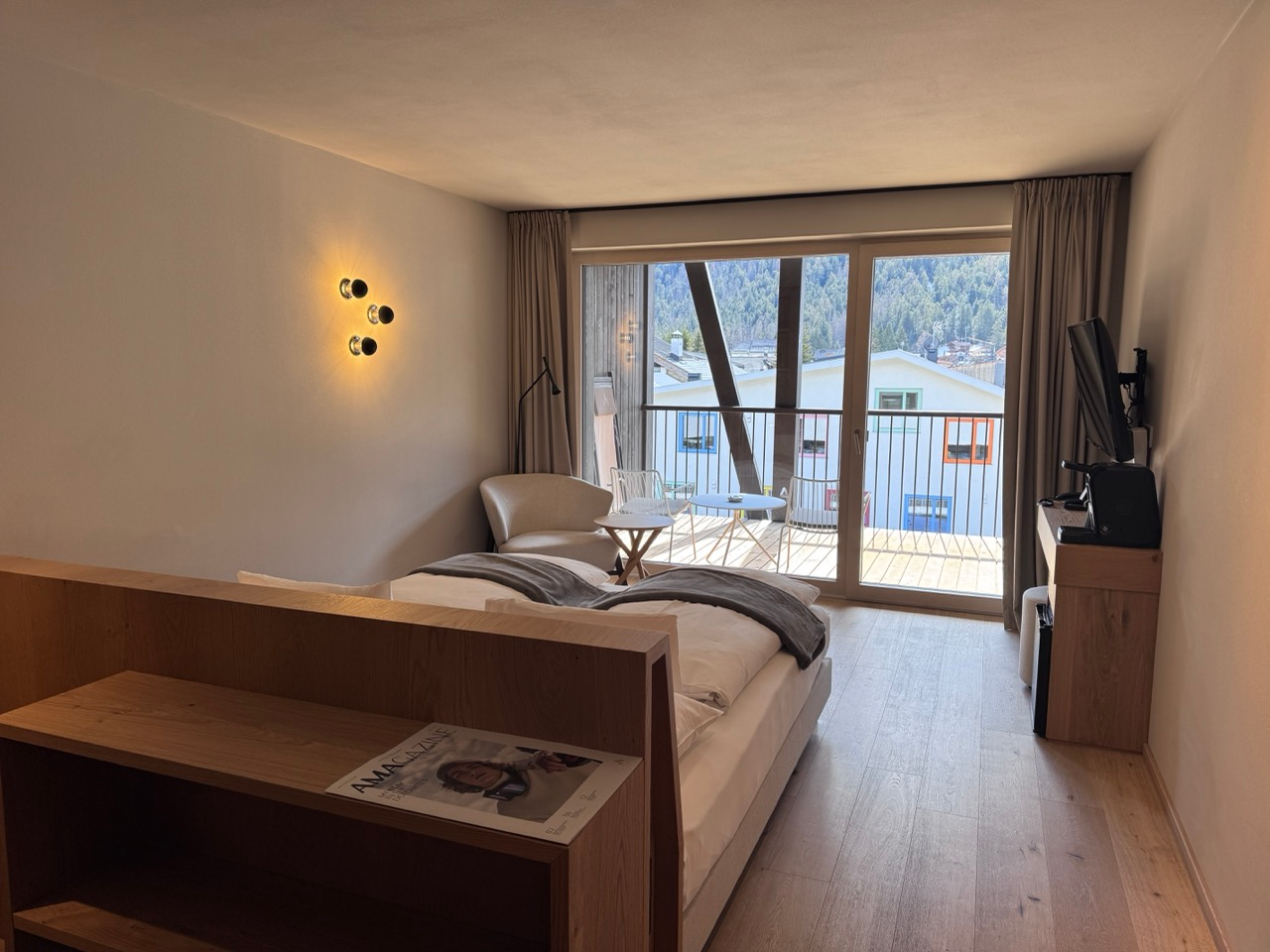
They need Wi-Fi that can survive investor calls. They need quiet places to write, think, sell, and answer messages. They need rooms that do not punish longer stays. They need food close by because founder energy is already limited. They need movement, air, and recovery because the body keeps the score after months of pressure.
This is why a normal hotel can be risky for a workation. A hotel may be excellent for a weekend and still be wrong for a founder who needs five days of focused work. A normal coworking space can also miss the point because it gives you the desk without the recovery layer.
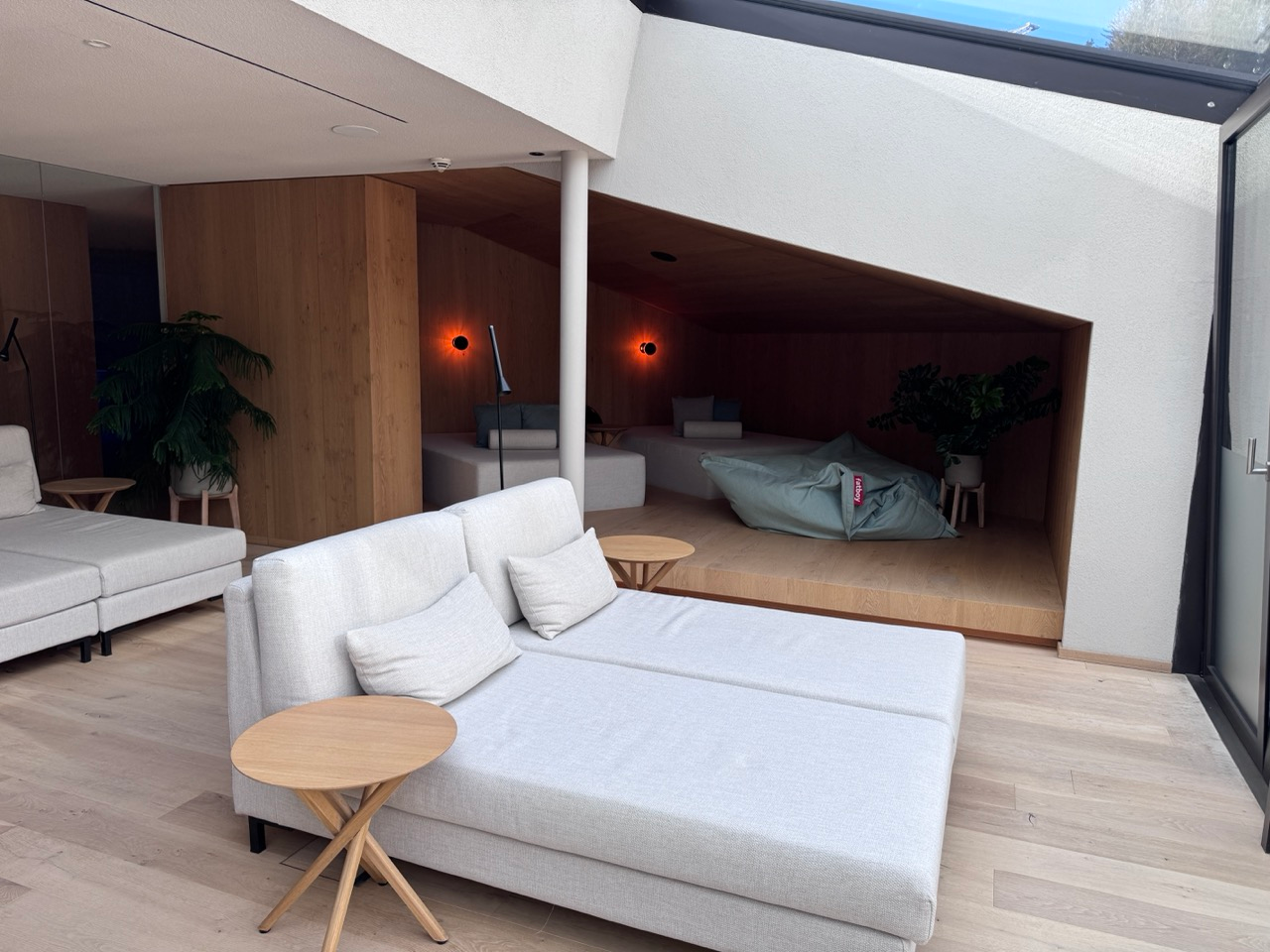
The workation sweet spot is a place where accommodation, work setup, and recovery sit close together. AMA Stay’s own workation hotel page speaks directly to that use case, and its coworking page points to workspaces rather than a vague laptop-friendly promise.
Why AMA Stay fits the workation hotel Dolomites search
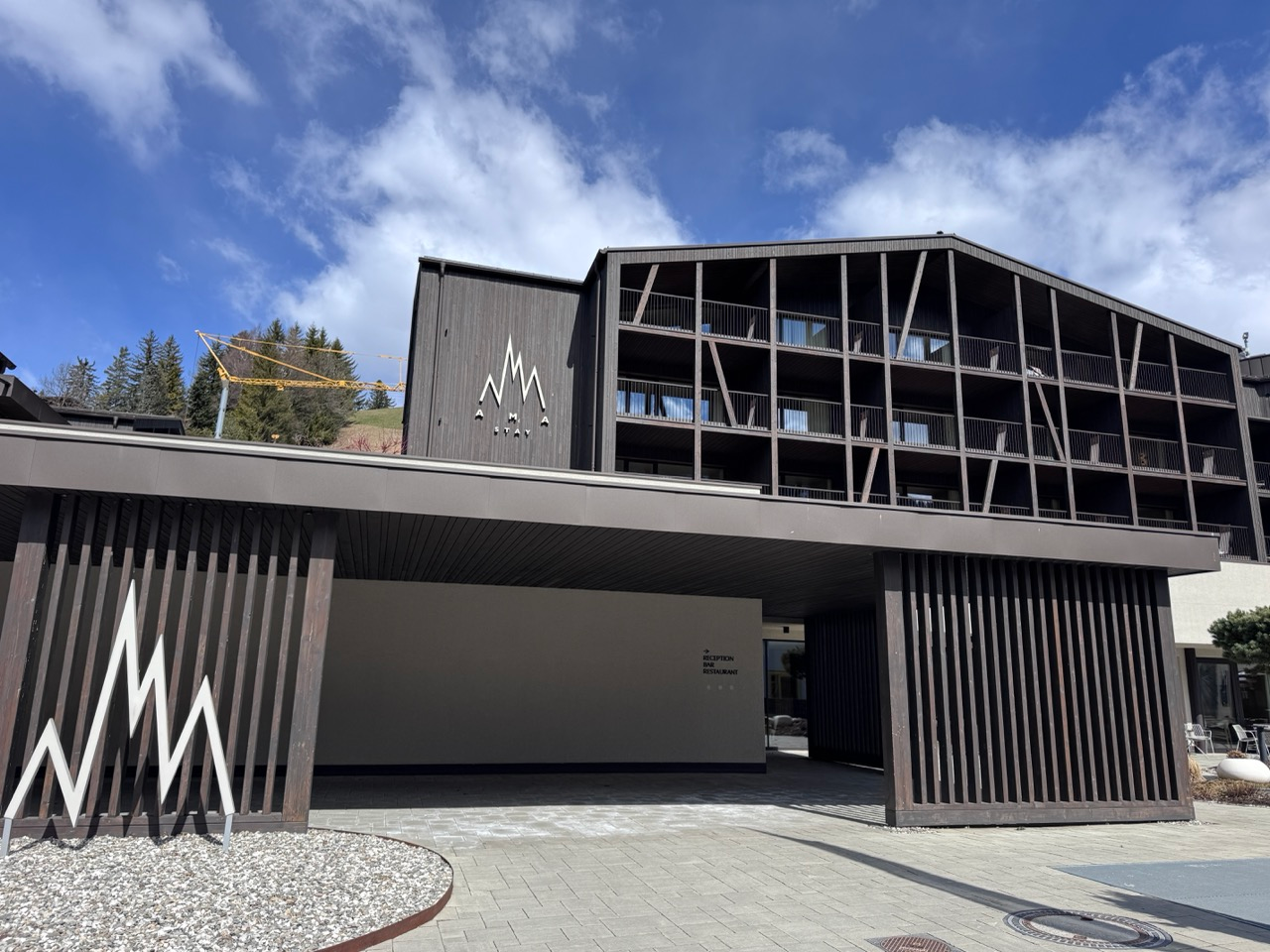
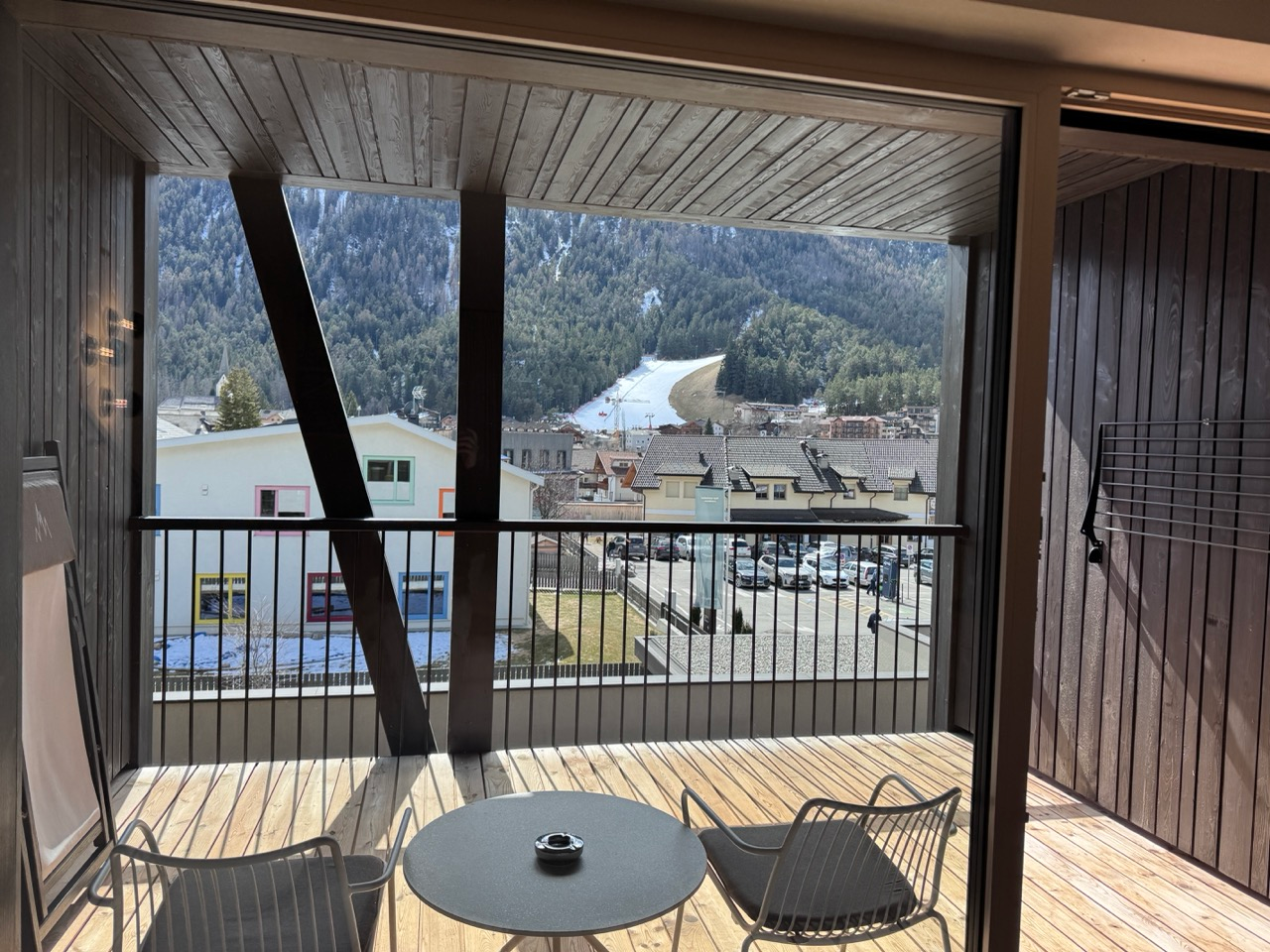
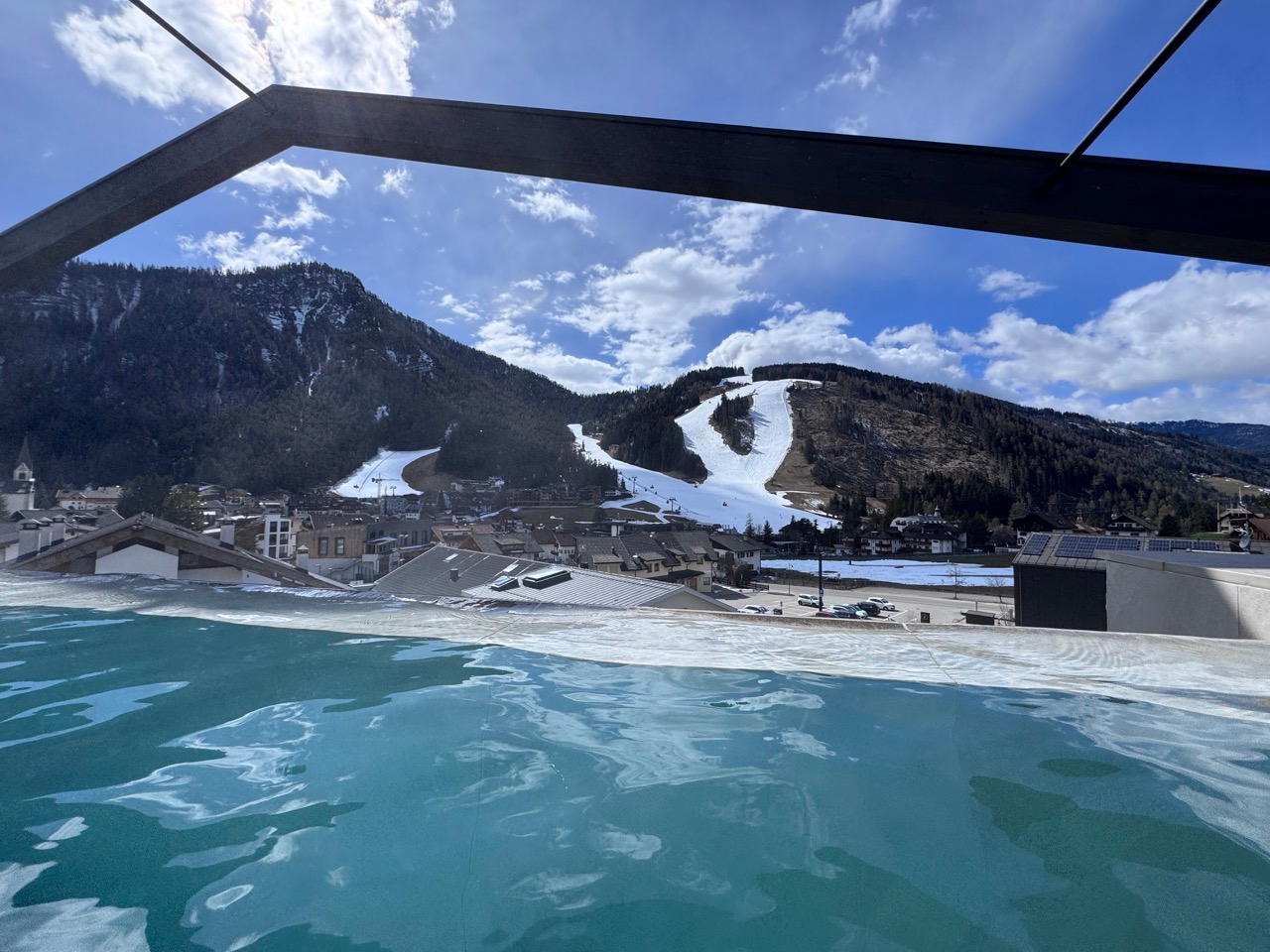
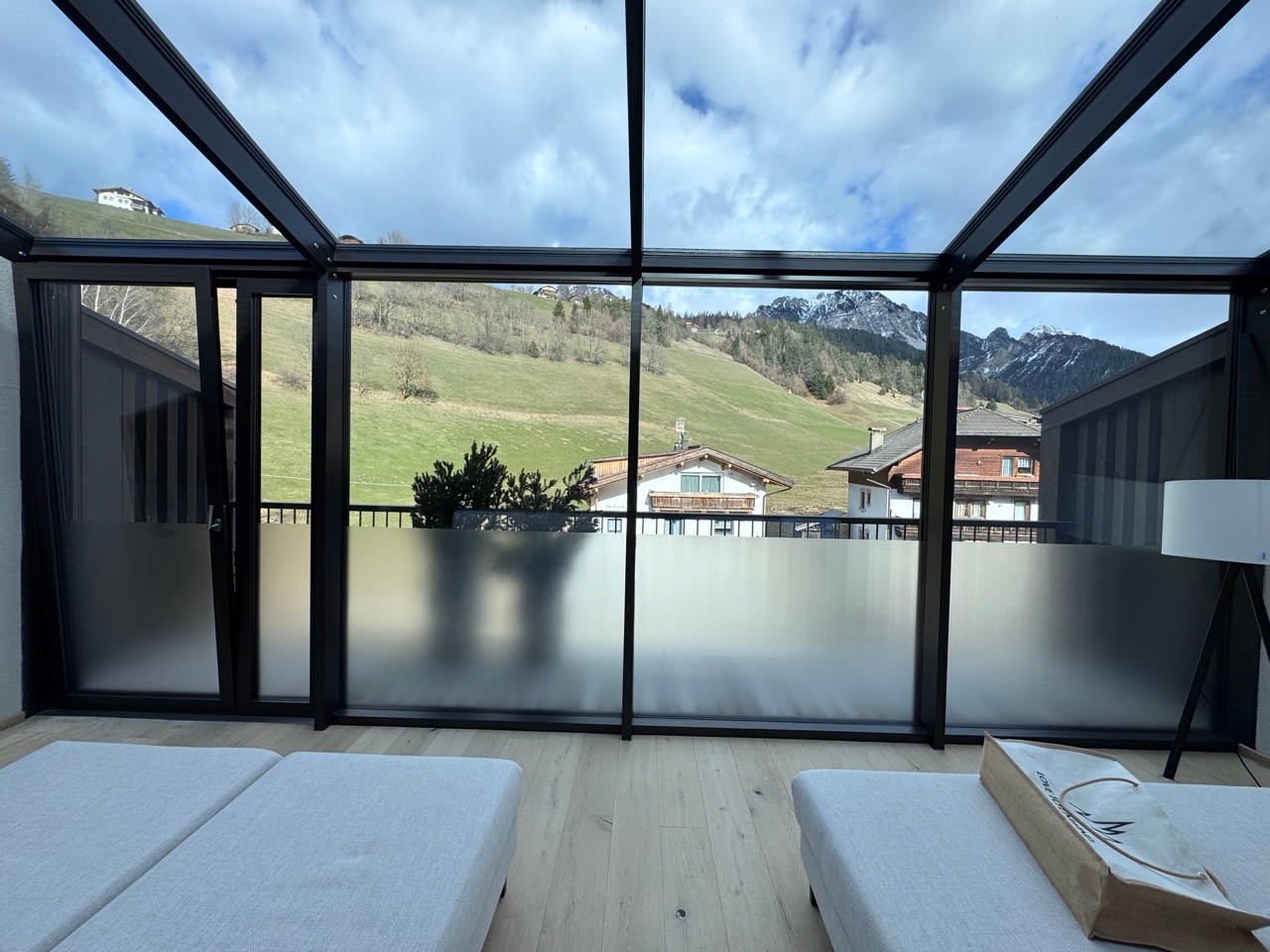
AMA Stay is in San Vigilio di Marebbe, a mountain village near Kronplatz in South Tyrol. The location gives it the obvious Dolomites appeal, and the concept gives it the more unusual startup angle.
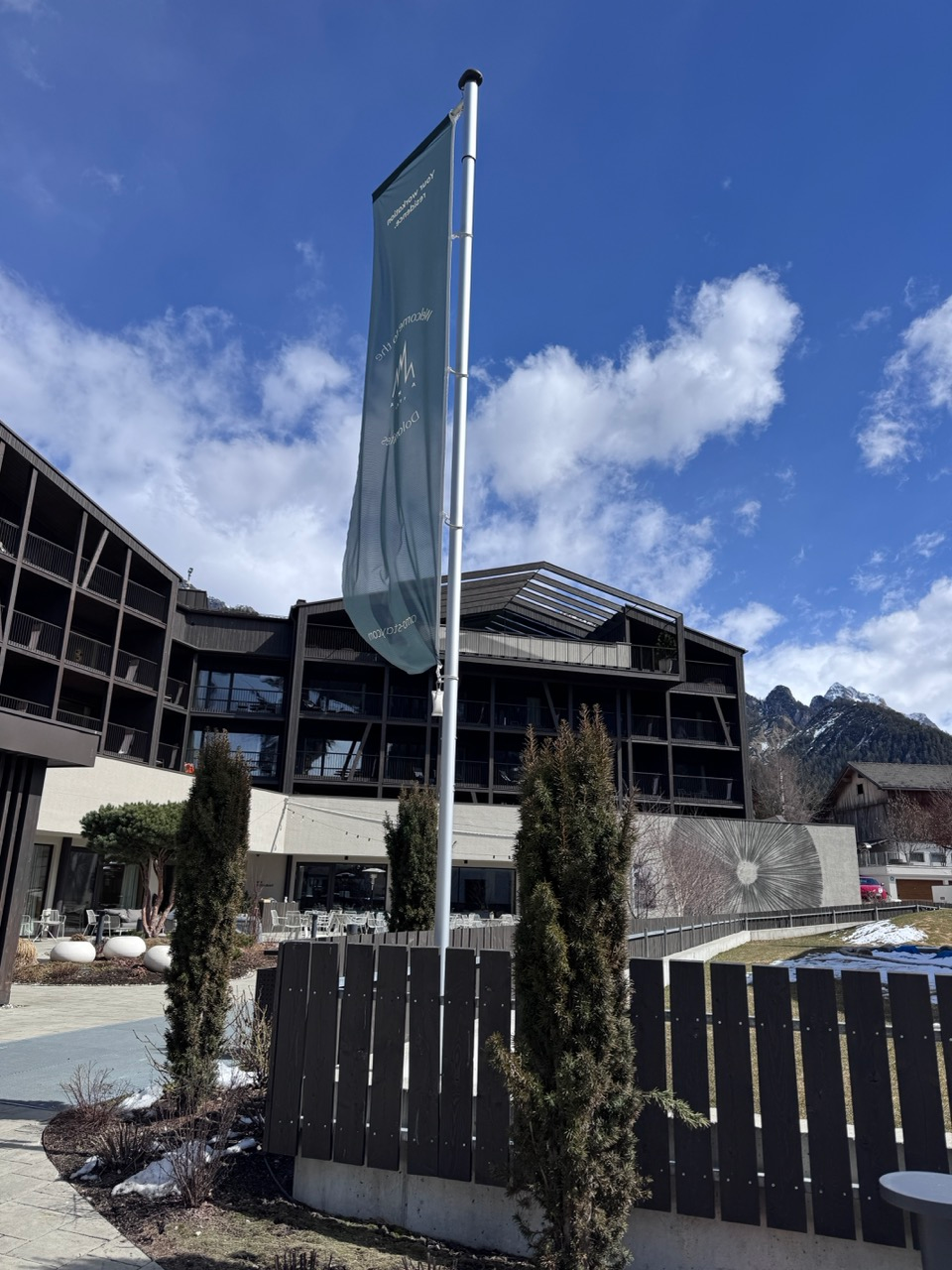
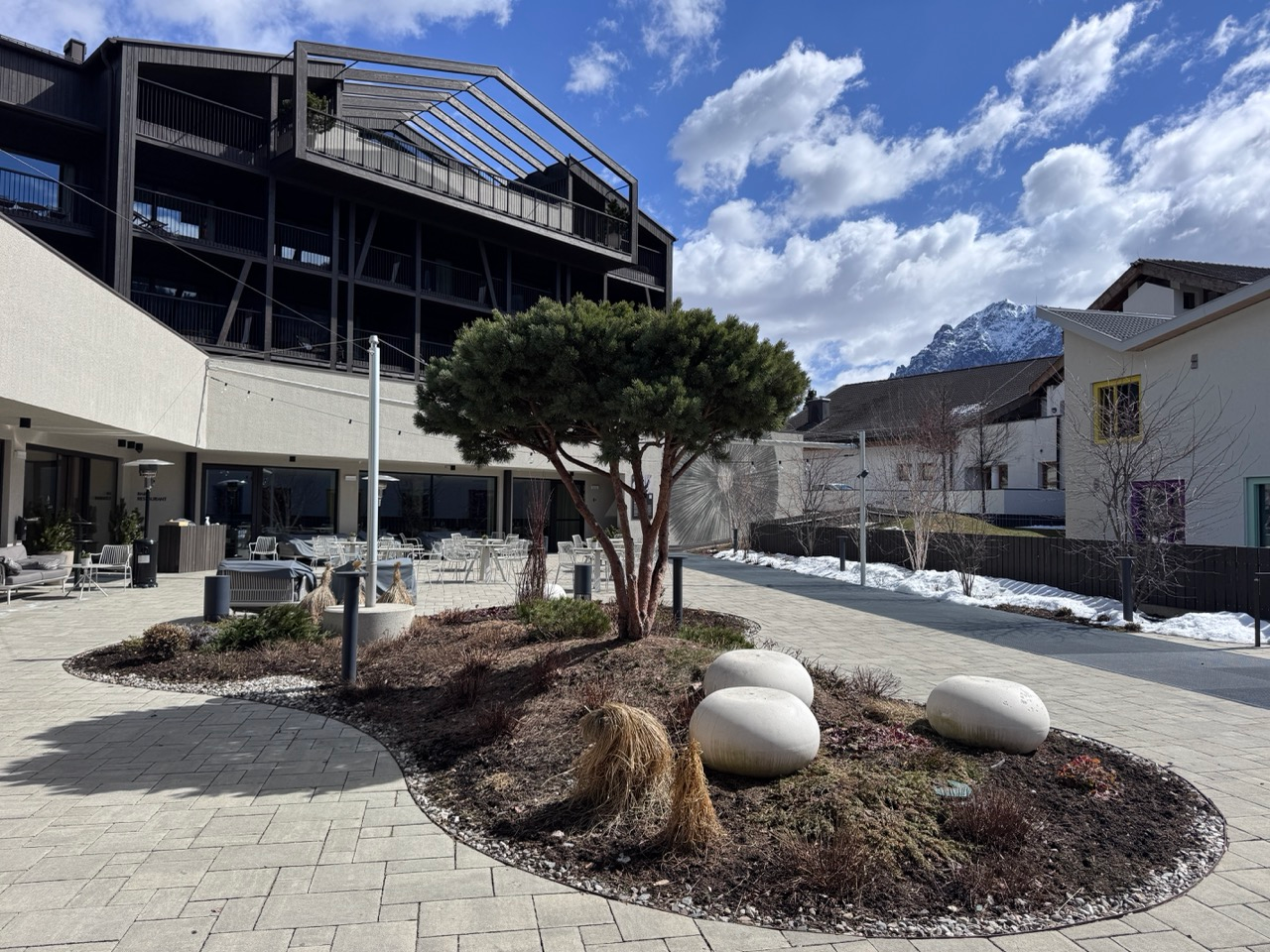
AMA Stay presents itself with more than a classic ski-hotel room description and a desk. Its published pages cover workation, coworking, conference use, community events, and companies. For a founder, that changes the reading of the place. It suggests that remote work is part of the product design rather than a polite tolerance of guests answering email.
The third-party signal is useful too. ISPO called AMA Stay a “creative basecamp in the Dolomites” and described it as an apart hotel and community used by freelancers, remote workers, companies, and teams. The article also quotes AMA Stay management describing the goal as a basecamp for innovators in the Alps. That phrasing fits the founder audience far better than generic hotel copy.
Mean CEO has already covered the nearby workation theme with BergHotel Zirm in Olang as a workation base for entrepreneurs and Excelsior Dolomites Life Resort as a workation base for entrepreneurs. AMA Stay is a nice addition to the series because it speaks even more directly to workation, coworking, and team use.
The founder workation checklist
Here is the practical way I would judge AMA Stay before booking.
A founder workation should protect deep work, calls, sales, and writing. Check coworking access, quiet zones, desk setup, call privacy, and opening hours.
A three-night break and a two-week workation need different room logic. Compare apartments, kitchen options, laundry needs, and storage.
Co-founder weeks and team offsites need more than a breakfast table. Review AMA Stay’s conference hotel page and ask about room formats.
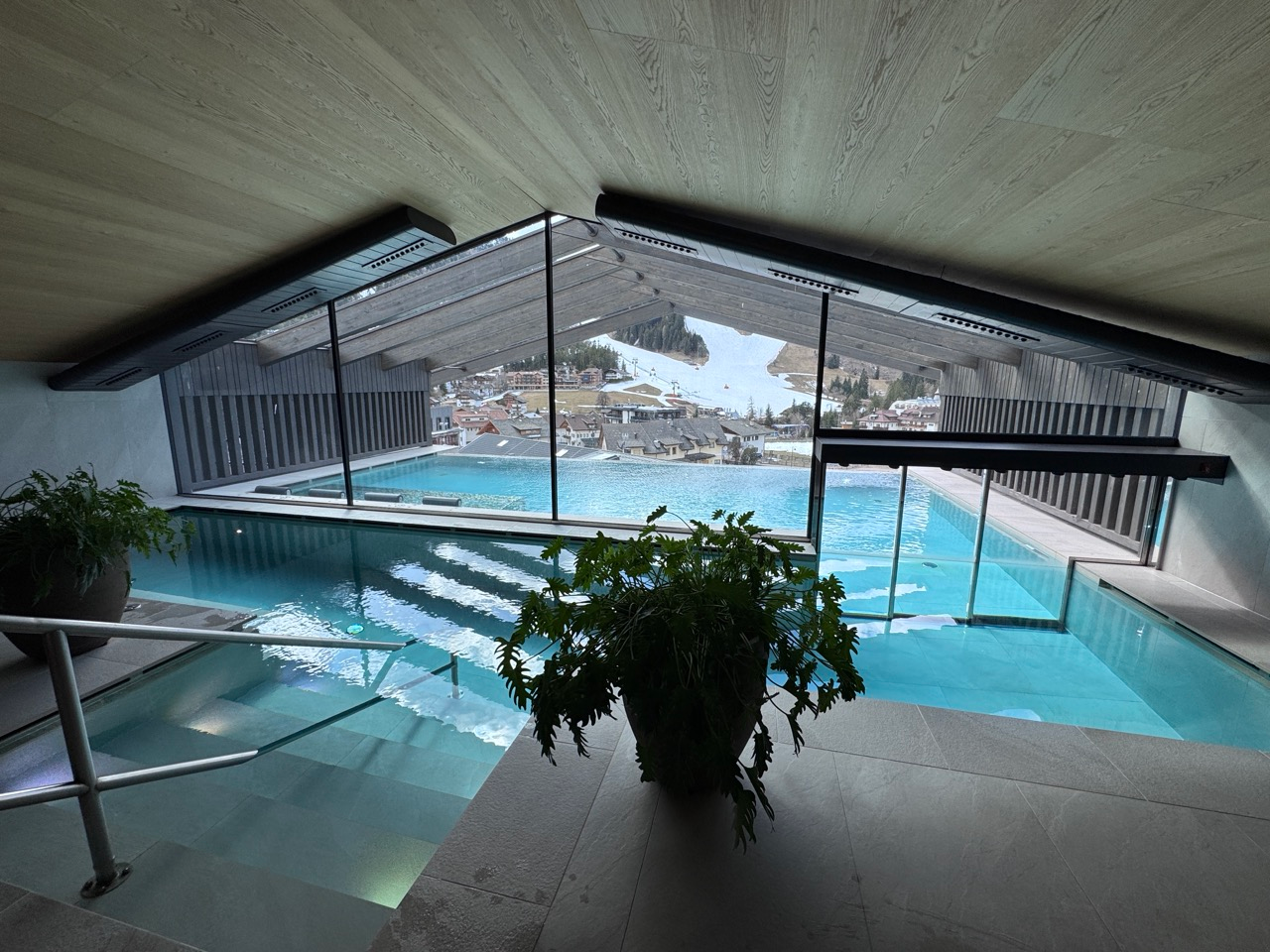
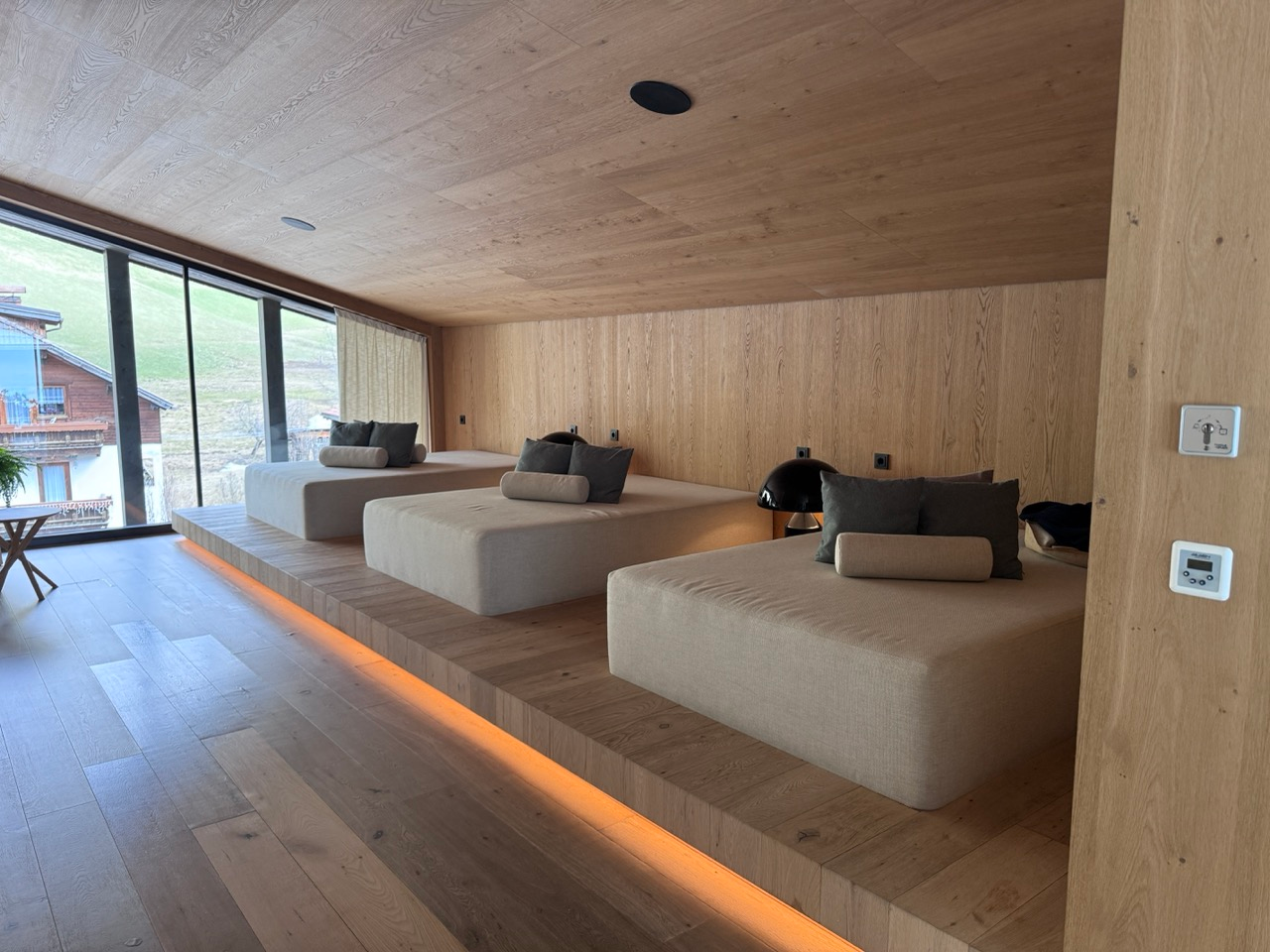
Founders do better work when the body gets a reset. Check spa access, pool, sauna, hiking, skiing, and daily movement options.
Solo founders and freelancers need light human contact without forced networking. Look at AMA Stay’s community events page.
Teams need shared work time and informal time. Plan morning work, afternoon outdoor time, dinner, and one structured strategy session.
The table matters because founders often book from emotion first. The Dolomites are persuasive. The view sells itself. The workation decision needs a stricter filter.
Where AMA Stay works best
AMA Stay looks strongest for four founder use cases.
First, the solo founder reset. This is the week where you need distance from your usual work loop, but you still have calls and deadlines. The right structure is simple: deep work in the morning, movement in the afternoon, lighter admin in the evening, and no guilt about resting.
Second, the co-founder strategy week. Two or three founders can use a place like AMA Stay to make decisions that rarely happen well on video calls. Pricing, hiring, positioning, product scope, sales focus, and funding choices all benefit from a few days in the same room.
Third, the small remote team offsite. The phrase team retreat often gets treated like a soft perk. For a bootstrapped startup, the trip has to earn its cost. The format should combine real work sessions, team trust, and enough outdoor time to make people return with more energy than they spent.
Fourth, the founder couple or solo operator workation. This is where the Dolomites make a lot of sense. You can keep your work alive while still sharing meals, hiking, skiing, or spa time with someone who has been living around your startup stress for too long.
That last use case is close to what F/MS covered in its article on hotels in Italy to work from as a startup founder. A good workation hotel should support the founder and the human attached to the founder.
Where AMA Stay may be the wrong fit
AMA Stay will not fit every founder trip.
If the goal is a cheap bed and a public library desk, the concept may be too premium. If the team needs a large corporate event with dozens of breakout rooms, ask for exact capacity before getting attached to the location. If you need city investor meetings every day, the mountain setting will work against you.
It may also be the wrong trip if your team has no shared agenda. A vague offsite will waste a beautiful workation hotel. Before booking, write down the three decisions that must be made during the trip. If the list is empty, you are planning a holiday with laptops.
That can still be a good thing. It should be named honestly.
How I would use AMA Stay for a founder workation
For a solo founder, I would book five to seven nights and keep the schedule quiet.
The daily structure:
- Morning: two to three hours of deep work.
- Late morning: calls or sales work.
- Afternoon: mountain time, spa, walking, skiing, or cycling depending on the season.
- Early evening: one admin block.
- Dinner: no laptop unless a real deadline demands it.
For a co-founder trip, I would use a three-part structure.
- Day one: diagnose what feels stuck.
- Day two: decide what changes.
- Day three: turn decisions into a 30-day operating plan.
For a small team, I would keep the group tiny. Six to ten people is often the sweet spot for a young company. Large groups turn offsites into event planning. Small groups can still talk honestly.
The hotel setup should support the rhythm, but the founder still has to set the rhythm. AMA Stay can provide the environment. You have to bring the agenda.
AMA Stay vs a classic wellness hotel vs a normal coworking space
AMA Stay’s strongest position is the middle of three categories.
You get recovery, food, spa, and mountain setting. Founders should check whether work feels planned for or simply tolerated.
You get a desk, Wi-Fi, calls, and work energy. Recovery, sleep, food, and nature may sit outside the experience.
You get accommodation, coworking, meetings, wellness, community, and mountain access. Confirm exact work setup, capacity, and room fit before booking.
The bottom line
AMA Stay is a strong sample subject because it gives founders something concrete to evaluate: a practical answer to a real buyer query about working from the Dolomites without turning the trip into chaos.
If I were planning a founder workation in South Tyrol, AMA Stay would go on the shortlist for one reason: the concept connects the things founders usually have to assemble by hand. Work setup, rooms, wellness, community, meeting space, and Kronplatz access are all part of the same story.
That is exactly what a good workation hotel in the Dolomites should do.
FAQ
Is AMA Stay a good workation hotel in the Dolomites?
AMA Stay looks like a strong workation hotel in the Dolomites because its own pages cover coworking, workation stays, meetings, wellness, and community. That mix is what founders and remote teams need when the trip includes real work instead of occasional email.
Is AMA Stay suitable for startup founders?
Yes, especially for founders who need focus, recovery, and some distance from their normal work loop. It can fit a solo founder reset, a co-founder strategy week, or a small team offsite if the work agenda is clear before booking.
Can remote teams use AMA Stay for an offsite?
Remote teams should look closely at AMA Stay’s meeting and conference options, then ask the hotel about room setup, team size, call privacy, and work blocks. The concept fits small remote teams well, but the exact setup depends on group size and agenda.
Is AMA Stay better for winter or summer workations?
Both seasons can work. Winter gives founders access to Kronplatz skiing and a clear rhythm around work and slopes. Summer can be better for hiking, cycling, walking meetings, and longer outdoor recovery blocks. The better season depends on how your team resets.
How long should a founder stay at AMA Stay?
For a solo founder, five to seven nights gives enough time to settle, work, and recover. For co-founders, three focused nights can work if the agenda is tight. For remote teams, four nights is often enough for work sessions, informal time, and one full recovery day.
What should I ask before booking a workation at AMA Stay?
Ask about coworking access, quiet call space, room desk setup, Wi-Fi, meeting room availability, restaurant hours, spa access, parking, transfer options, and how the hotel handles longer stays. Those answers matter more than a pretty room photo.
Is AMA Stay good for digital nomads?
AMA Stay can fit digital nomads who want a more comfortable alpine base with coworking, wellness, and community. Budget backpackers may prefer cheaper places. Founders, freelancers, and remote workers who care about focus and comfort are a better match.
Can AMA Stay work for women founders?
Women founders often carry both work pressure and the social load around travel planning, safety, rest, and team care. A workation hotel with clear facilities, wellness, community, and predictable structure can reduce friction. AMA Stay looks worth shortlisting for that reason.
Is San Vigilio a good base for a workation?
San Vigilio works well if you want a mountain village base near Kronplatz with access to nature and South Tyrol hospitality. It is better for focus, recovery, and team time than for daily city meetings.
What makes AMA Stay different from a normal hotel with Wi-Fi?
The difference is the workation concept. AMA Stay presents coworking, workation stays, meeting space, community events, and wellness as part of the same offer. A normal hotel with Wi-Fi may still be lovely, but the founder has to assemble the work setup alone.

Violetta Bonenkamp, also known as Mean CEO, is a female entrepreneur and an experienced startup founder, bootstrapping her startups. She has an impressive educational background including an MBA and four other higher education degrees. She has over 20 years of work experience across multiple countries, including 10 years as a solopreneur and serial entrepreneur. Throughout her startup experience she has applied for multiple startup grants at the EU level, in the Netherlands and Malta, and her startups received quite a few of those. She’s been living, studying and working in many countries around the globe and her extensive multicultural experience has influenced her immensely. Constantly learning new things, like AI, SEO, zero code, code, etc. and scaling her businesses through smart systems.