


TL;DR: Boost Your SEO with Secondary Keywords
Secondary keywords are additional search terms that complement your main keyword, expanding the relevance and reach of your content. They include synonyms, related phrases, and long-tail keywords that match diverse user intents.
• Why they matter: Secondary keywords help attract a larger audience, enhance topic authority, and improve engagement metrics like time on page.
• How to find them: Use tools like Ahrefs or explore Google’s autocomplete and related search features. You can also conduct content gap analysis with competitors.
• How to use them effectively: Work secondary keywords into headings, meta descriptions, and the natural flow of your copy without overloading text.
Use tools like Ahrefs for keyword exploration or check Google’s "People Also Ask" box to spot untapped opportunities. Start optimizing now to achieve long-term SEO success with less competition!
Check out other fresh news that you might like:
What AI Sees When It Visits Your Website (And How To Fix It)

Keywords are the foundational building blocks of search engine optimization (SEO), guiding users to your content and search engines to rank it effectively. But often, the emphasis lies so heavily on picking the right primary keywords that secondary keywords are overlooked , a mistake too many entrepreneurs and marketers make. These “supporting players” can be the secret weapon for your business’s digital success. By smartly leveraging related, long-tail, and contextual terms, your content becomes a magnet for organic traffic and resonates with diverse search intents. Let’s explore what secondary keywords are and, more importantly, how you can use them effectively to grow your business visibility and achieve your goals.
What Are Secondary Keywords?
At the core of any effective SEO strategy lies the concept of keywords. Primary keywords directly target the main topic of your content , think of this as the exact phrase users might type into Google. Secondary keywords, on the other hand, are the supporting cast. These are synonyms, long-tail variations, related phrases, or complementary queries that add depth and broader relevance to your content. Importantly, they help capture different aspects of user intent and make your content more comprehensive for readers and search algorithms alike.
For example, if your primary keyword is “coffee maker,” potential secondary keywords could include phrases like “best coffee machine,” “portable espresso maker,” or “how to clean a coffee maker.” Each addresses a distinct angle, broadening your content’s reach and improving its relevance to different search queries.
Why Are Secondary Keywords Important?
Far too many businesses invest all their resources into ranking for a single competitive primary keyword without considering how many related queries they could rank for simultaneously by embracing secondary keywords. Here’s why they’re indispensable:
- Capture diverse search intents: Real-world searches are rarely uniform. Users search for the same topic in multiple ways, and secondary keywords help you engage varied audiences.
- Increase traffic potential: Ranking for hundreds of keywords beyond your primary one means reaching a larger audience, all while keeping relevancy intact.
- Enhance topical authority: By addressing related subtopics, you signal to search engines that your content covers the subject comprehensively.
- Reduce bounce rates: Addressing multiple user needs keeps visitors engaged longer and boosts key metrics like time on page.
How Do You Find Secondary Keywords?
Finding high-impact secondary keywords doesn’t need to feel overwhelming. Below are practical strategies and tools you can use today.
1. Leverage SEO Tools
Platforms like Ahrefs Keyword Explorer or SEMrush are goldmines for discovering secondary keywords. These tools allow you to export lists of “related terms” or “also rank for” suggestions, making it easier to identify phrases related to your main topic.
- Use Parent Topics: Tools often group keywords into categories based on shared intent , focus on these clusters.
- Analyze competitors: Input competitor URLs into tools like Ahrefs Site Explorer to find keywords they rank for but you might be missing.
- Check for questions: Filter by question-based keywords (e.g., “what,” “how,” “why”) to generate ideas for headings and subsections that answer user intent.
A personal favorite of mine, especially when combining startup education with SEO, is SEMrush’s Keyword Magic Tool. It’s like having a brainstorming session with an AI assistant trained to think like your audience.
2. Use Google Search Features
Google itself offers insight into how people search. Pay attention to features like:
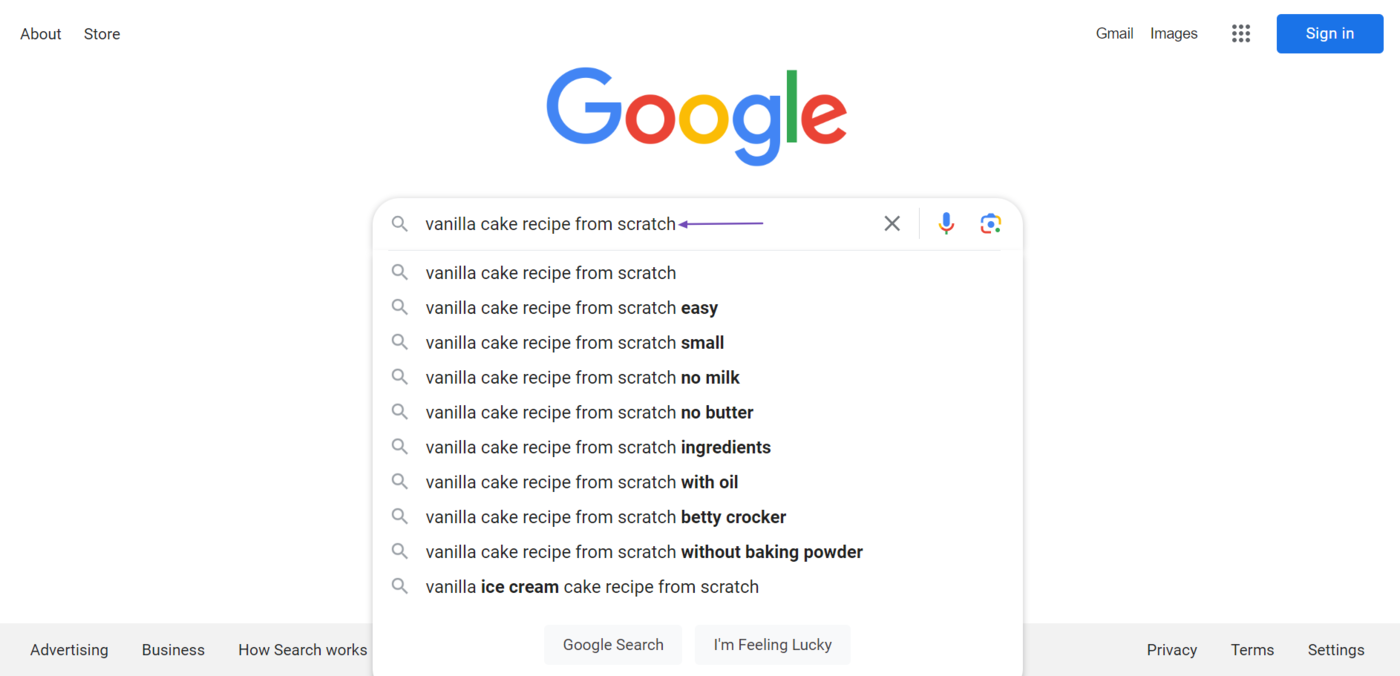
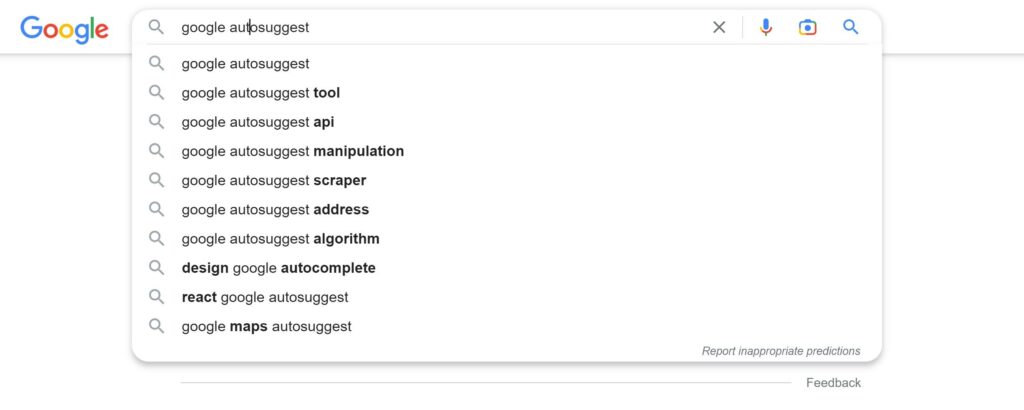
- Autocomplete: Start typing your primary keyword into Google’s search box, and note the suggestions that follow.
- People Also Ask: These questions reflect user concerns and opportunities to address multiple intents in one page.
- Related Searches: Found at the bottom of the search results page, these are often untapped gems.
3. Analyze Content Gaps
Content gap analysis tools, like those in Ahrefs or Google Search Console, reveal keywords your competitors rank for that you don’t. By identifying these ‘missing’ keywords, you can create content that ensures every angle is covered.
How Do You Use Secondary Keywords?
Once you’ve identified your secondary keywords, it’s time to integrate them seamlessly into your content. Here’s how:
1. Use Them in Headings and Subheadings
Many secondary keywords are perfect for H2 or H3 headings. This not only improves SEO but also enhances content readability. For example, if your primary keyword is “healthy smoothie recipes,” secondary keywords like “low-calorie smoothie ideas” or “protein-packed green smoothies” can easily serve as headers.
2. Write Naturally
Forget keyword stuffing , it’s both ineffective and penalized by search engines. Use secondary keywords naturally within sentences and where they make sense for the reader. Quality trumps quantity.
3. Optimize Meta Descriptions
Your meta description can include secondary keywords to catch multiple search intents. For instance, “Find easy, healthy smoothie recipes and low-sugar options for any diet.”
Common Mistakes to Avoid
- Forcing Keywords: A natural tone is non-negotiable. Stuffed content feels unnatural and drives users away.
- Ignoring Search Intent: If a keyword doesn’t align with what your audience wants, it’s not worth targeting.
- Not Tracking Performance: Continuously monitor which keywords drive the most traffic to refine your strategy.
Secondary keywords often require experimentation before you find their true value. They’re a marathon, not a sprint.
Final Takeaway
By strategically leveraging secondary keywords, your content can go beyond just hitting the primary targets to ranking higher on a broader array of search queries. Treat these tools as a way to build depth and utility into every article or page you publish. And don’t just chase traffic , aim to create a genuine value for your readers while pleasing search engines along the way.
Curious how you can enhance your content strategy? Start experimenting with these tips and track your improved visibility. When in doubt, connect with peers to share ideas , or better yet, join us in the ever-evolving space of gamepreneurship at Fe/male Switch!
FAQ on Secondary Keywords in SEO
What are secondary keywords in SEO?
Secondary keywords are supplementary keywords that support your primary keyword by targeting related search terms or varying user intents. For example, for a primary keyword like "coffee maker," secondary keywords could include "best coffee machines" or "how to clean a coffee maker." Learn more about SEO for Startups in 2026.
Why are secondary keywords important?
Secondary keywords help capture diverse search intents, improve topical authority, and increase organic traffic by ranking for multiple terms. Using them smartly ensures your content remains relevant to a broader audience. Explore SEO Keyword Tracking Tools for 2025.
How do I find secondary keywords?
Use tools like Ahrefs and SEMrush to discover related terms and queries aligned with your primary keyword. Google Autocomplete and features like "People Also Ask" are excellent for identifying additional user queries. Discover Ahrefs vs. Long Tail Pro to pick the best tool for startups.
What’s the best way to use secondary keywords?
Incorporate secondary keywords naturally into your text. They can be used as subheadings, within paragraph content, image alt texts, or the meta description, all while avoiding keyword stuffing. Master Linguistics Principles for SEO in Startups.
How many secondary keywords should I use in one article?
You can use about three to five focused secondary keywords naturally within each page or article. Each keyword should support the primary topic to maintain coherence and extend relevance. Learn how to avoid keyword stuffing and optimize content.
Are secondary keywords and long-tail keywords the same?
Not exactly. Long-tail keywords are specific, low-competition phrases, whereas secondary keywords are related to the primary keyword and address different user intents. They often overlap but are not interchangeable. Explore top SEO practices for startups.
How do secondary keywords improve SEO rankings?
By signaling greater topical authority through user-focused and comprehensive content, secondary keywords help search engines identify your page as a relevant and complete resource. This leads to higher rankings across multiple queries. Investigate SEO audits for startups.
What tools are best for secondary keyword research?
Tools like Ahrefs, SEMrush, and Google Search Console are excellent for discovering secondary keywords. They allow you to identify related phrases, semantic links, and even content gaps in competitor strategies. Discover the best SEO keyword trackers for startups.
Can secondary keywords help reduce bounce rates?
Yes. By addressing multiple user intents through secondary keywords, your content is more likely to engage readers for longer sessions, improving key metrics like time on page and reducing bounce rates. Find out more about crafting user-focused SEO content.
What are common mistakes when using secondary keywords?
Avoid forcing secondary keywords into unnatural places, neglecting user search intent, and failing to track their impact on performance. Monitor analytics tools to optimize your content continuously. Learn about real-time SEO keyword strategies.
About the Author
Violetta Bonenkamp, also known as MeanCEO, is an experienced startup founder with an impressive educational background including an MBA and four other higher education degrees. She has over 20 years of work experience across multiple countries, including 5 years as a solopreneur and serial entrepreneur. Throughout her startup experience she has applied for multiple startup grants at the EU level, in the Netherlands and Malta, and her startups received quite a few of those. She’s been living, studying and working in many countries around the globe and her extensive multicultural experience has influenced her immensely.
Violetta is a true multiple specialist who has built expertise in Linguistics, Education, Business Management, Blockchain, Entrepreneurship, Intellectual Property, Game Design, AI, SEO, Digital Marketing, cyber security and zero code automations. Her extensive educational journey includes a Master of Arts in Linguistics and Education, an Advanced Master in Linguistics from Belgium (2006-2007), an MBA from Blekinge Institute of Technology in Sweden (2006-2008), and an Erasmus Mundus joint program European Master of Higher Education from universities in Norway, Finland, and Portugal (2009).
She is the founder of Fe/male Switch, a startup game that encourages women to enter STEM fields, and also leads CADChain, and multiple other projects like the Directory of 1,000 Startup Cities with a proprietary MeanCEO Index that ranks cities for female entrepreneurs. Violetta created the “gamepreneurship” methodology, which forms the scientific basis of her startup game. She also builds a lot of SEO tools for startups. Her achievements include being named one of the top 100 women in Europe by EU Startups in 2022 and being nominated for Impact Person of the year at the Dutch Blockchain Week. She is an author with Sifted and a speaker at different Universities. Recently she published a book on Startup Idea Validation the right way: from zero to first customers and beyond, launched a Directory of 1,500+ websites for startups to list themselves in order to gain traction and build backlinks and is building MELA AI to help local restaurants in Malta get more visibility online.
For the past several years Violetta has been living between the Netherlands and Malta, while also regularly traveling to different destinations around the globe, usually due to her entrepreneurial activities. This has led her to start writing about different locations and amenities from the point of view of an entrepreneur. Here’s her recent article about the best hotels in Italy to work from.
