


TL;DR: Why Video Ads Fail and How to Fix Them
Most video ads fail due to poor targeting, lack of personalization, and chasing vanity metrics like views instead of actionable data like conversions. Successful campaigns prioritize personalized content, strong storytelling, and measurable metrics like click-through rates and video completion rates.
• Focus on actionable metrics (e.g., conversions, CTR, engagement)
• Personalize content based on audience behavior
• Test variations to understand what resonates
If you're struggling with ad performance, check out lessons from content marketing trends and improve your strategy with actionable data-driven insights.
Check out other fresh news that you might like:
What AI Sees When It Visits Your Website (And How To Fix It)

As a serial entrepreneur active in deeptech, education, and AI systems, I’ve spent ample time analyzing why video ads fail while running Fe/male Switch, my startup incubator dedicated to women. Here’s the undeniable truth: most video ads fail because they measure the wrong metrics or fail to engage viewers beyond pure vanity numbers. In 2026, video marketing is expected to dominate digital strategies, but trends show that competition, even in short-form engagement, is tougher than ever. So, why are marketers missing the mark?
Why do most video ads fail?
Video advertising failure boils down to poor strategy, bad targeting, and chasing metrics that don’t move the needle. Chasing views and ignoring conversions leads to wasted budgets. For example, high view counts look impressive but don’t necessarily mean your video delivered any ROI. Additionally, content that isn’t personalized fails to grab attention or build a lasting connection. Several studies in 2026 showed that marketers often fall for “vanity metrics” like total impressions instead of tracking actionable outcomes like sales or form completions.
- Lack of understanding of the audience. Too often, advertisers shove the same content across platforms without considering how users behave on TikTok versus YouTube.
- Ignoring personalization. In 2026, personalized video content outperforms generic videos by increasing engagement rates by up to 35%. Audiences crave content tailored to their needs and behavior.
- Poor storytelling. Videos with no clear narrative or call-to-action leave viewers uninterested and lead to higher drop-off rates.
- Suboptimal formatting. Improper resolutions, video lengths, or platform mismatches result in lower click-through rates.
- Failure to A/B test. Without experimenting with different hooks, headlines, voiceovers, and visuals, marketers lose critical insights into success drivers.
What video metrics actually matter?
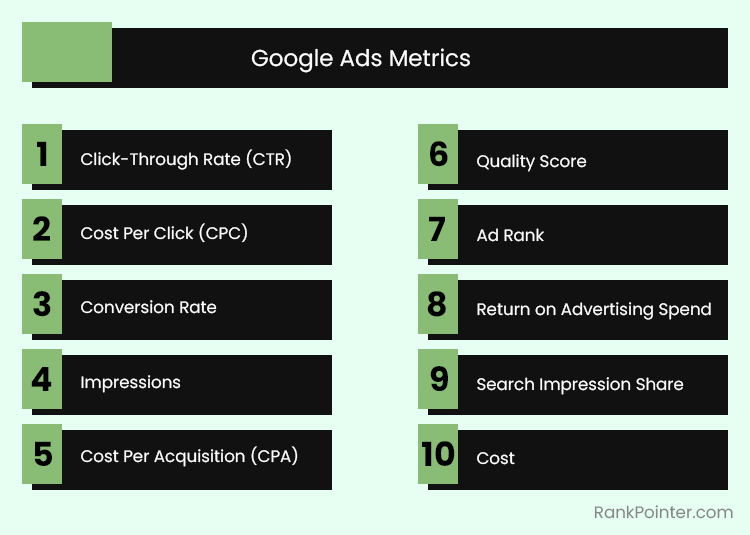
The secret to successful advertising lies in focusing on actionable metrics that reflect genuine engagement and conversions. As someone who designed gamified workflows for startup founders, my approach emphasizes iteration based on the metrics below:
- Conversion Rate (CR): How many viewers take the desired action, like signing up, purchasing, or downloading a resource.
- Video Completion Rate: Measures how many people watch your entire video. A higher completion rate indicates compelling content.
- Click-Through Rate (CTR): Tracks the percentage of viewers who click your call-to-action (CTA).
- Engagement Rate: Comments, shares, and likes show whether your video provokes interaction.
- Cost Per View (CPV): Tracks efficiency, are you paying more per view than the returns justify?
- Customer demographics: Are your videos resonating with the right audience segment?
How personalization leads to success
Since running Fe/male Switch, I’ve observed that personalized strategies work 300% better than generic campaigns. AI-powered tools allow marketers to segment audiences based on their browsing behavior or purchase history, generating tailored messages that improve CTR dramatically. Imagine this: a video showcasing a fitness app with tailored messaging showing users struggling with weight loss, versus simply advertising features like calorie tracking.
Steps to optimize your video campaigns
Effective video marketing starts with actionable, repeatable steps. Here’s how you can transform underperforming video ads in 2026:
- Start with the audience: Research your viewer demographics, pain points, and behavior.
- Use AI tools: Programs like AppScreenshotStudio generate diverse ad creatives personalized to your niche.
- A/B test heavily: Try different hooks, tone, storytelling methods, and visuals. Let data dictate decisions.
- Craft concise CTAs: Clear and urgent call-to-actions drive channel-specific results.
- Leverage completion benchmarks: Set benchmarks based on the average completion rate per platform.
Want deeper insights? Review these cutting-edge tools for campaign refinement with resources on tools like tracking video marketing metrics with Swydo.
Most common mistakes to avoid
It’s as important to know what NOT to do as it is to learn optimization techniques. These are traps I’ve seen founders repeatedly fall into:
- Failing to test videos on different platforms: Never assume all platforms behave alike.
- Ignoring completion rates: A highly viewed but poorly completed ad is money wasted.
- Skipping CTA placement: Videos without CTAs lose conversions because users don’t know what to do next.
- Underestimating length: Data shows shorter ads (15-30 seconds) work better for TikTok, while detailed narratives thrive on LinkedIn.
Conclusion
Video advertising in 2026 faces higher stakes than before, but focusing on interactive storytelling and actionable metrics can set your campaigns apart. Entrepreneurs must think beyond views, whether they’re crafting compelling narratives or learning from completion rates, and ensure every dollar delivers real results. Make personalization and rapid iteration your priority, and remember: success lies in adaptation, not perfection.
Ready to revolutionize your campaigns? Start analyzing your data-focused strategy at Measuring Video ROI.
FAQ on Optimizing Video Ads and Metrics in 2026
Why do most video ads fail to generate high ROI?
Most video ads fail due to poor targeting, lack of personalization, and focusing on vanity metrics like views instead of actionable metrics like conversions. Personalizing content and using AI tools for segmentation can significantly improve ROI. Learn more about PPC strategy for startups.
What metrics actually matter in video marketing?
Key metrics include Conversion Rate (CR), Click-Through Rate (CTR), Video Completion Rate, and Cost Per View (CPV). These help track engagement and ROI rather than superficial numbers like impressions. Explore actionable KPIs for video marketing.
How does personalization improve video ad performance?
Personalized strategies increase engagement by tailoring messages to specific audience segments using AI tools and customer insight data. Videos addressing unique pain points resonate more effectively. Read about personalization for female entrepreneurs.
What are A/B testing best practices for video campaigns?
A/B testing involves experimenting with hooks, visuals, CTAs, voiceovers, and platform-specific formats to identify the most effective variations. Iterative testing ensures data-driven optimization. Discover A/B testing tips for startups.
How can startups optimize video campaigns for mobile platforms?
Mobile optimization requires shorter videos (10, 30 seconds), vertical resolutions, and mobile-friendly CTAs. Platforms like TikTok and Stories dominate consumer engagement in 2026. Learn mobile optimization techniques.
Why is audience research crucial in video marketing?
Understanding demographics and behavior helps tailor campaigns to specific platforms and user needs. For instance, TikTok users prefer quick hooks, while LinkedIn audiences expect detailed narratives. Dive into effective video advertising tools.
How can video completion rates impact campaign success?
Higher completion rates signify compelling content and better audience retention. To improve them, focus on narrative structure, pacing, and targeted messaging. Check metrics that move the needle.
Should startups rely on AI for video campaigns?
Absolutely. AI streamlines content creation, audience segmentation, and real-time optimization, ensuring campaigns stay relevant and cost-efficient. Tools like AppScreenshotStudio have revolutionized creative workflows. Explore AI-driven solutions for startups.
What common mistakes should marketers avoid in video campaigns?
Avoid ignoring completion rates, skipping CTA placement, assuming all platforms behave alike, and using generic, one-size-fits-all content. Each mistake can reduce conversions drastically. Recognize patterns in ad performance.
How can entrepreneurs measure video ad effectiveness holistically?
Use tools like Google Analytics to monitor actionable metrics such as sales conversions, traffic sources, and demographic engagement. Pair these insights with regular iterations. Discover tools to measure video ad success.
About the Author
Violetta Bonenkamp, also known as MeanCEO, is an experienced startup founder with an impressive educational background including an MBA and four other higher education degrees. She has over 20 years of work experience across multiple countries, including 5 years as a solopreneur and serial entrepreneur. Throughout her startup experience she has applied for multiple startup grants at the EU level, in the Netherlands and Malta, and her startups received quite a few of those. She’s been living, studying and working in many countries around the globe and her extensive multicultural experience has influenced her immensely.
Violetta is a true multiple specialist who has built expertise in Linguistics, Education, Business Management, Blockchain, Entrepreneurship, Intellectual Property, Game Design, AI, SEO, Digital Marketing, cyber security and zero code automations. Her extensive educational journey includes a Master of Arts in Linguistics and Education, an Advanced Master in Linguistics from Belgium (2006-2007), an MBA from Blekinge Institute of Technology in Sweden (2006-2008), and an Erasmus Mundus joint program European Master of Higher Education from universities in Norway, Finland, and Portugal (2009).
She is the founder of Fe/male Switch, a startup game that encourages women to enter STEM fields, and also leads CADChain, and multiple other projects like the Directory of 1,000 Startup Cities with a proprietary MeanCEO Index that ranks cities for female entrepreneurs. Violetta created the “gamepreneurship” methodology, which forms the scientific basis of her startup game. She also builds a lot of SEO tools for startups. Her achievements include being named one of the top 100 women in Europe by EU Startups in 2022 and being nominated for Impact Person of the year at the Dutch Blockchain Week. She is an author with Sifted and a speaker at different Universities. Recently she published a book on Startup Idea Validation the right way: from zero to first customers and beyond, launched a Directory of 1,500+ websites for startups to list themselves in order to gain traction and build backlinks and is building MELA AI to help local restaurants in Malta get more visibility online.
For the past several years Violetta has been living between the Netherlands and Malta, while also regularly traveling to different destinations around the globe, usually due to her entrepreneurial activities. This has led her to start writing about different locations and amenities from the point of view of an entrepreneur. Here’s her recent article about the best hotels in Italy to work from.
