

TL;DR: How to launch a startup on YouTube
Launching a startup on YouTube in 2026 is an effective way to reach your audience, build credibility, and drive growth with limited resources. By creating consistent, engaging content, focusing on storytelling, and using YouTube's algorithms to your advantage, founders can attract customers and even secure funding.
- Define your niche and research competitors to position your content effectively.
- Leverage YouTube's monetization options, from ad revenue to sponsorships, to fund your efforts.
- Avoid common pitfalls like inconsistent uploads or poor content quality.
Begin scaling smarter by applying actionable strategies. Check out YouTube for Startups | 2026 Edition for more insights.
Check out startup news that you might like:
Startup News: The Ultimate Guide to ESA’s Ariane 6 Mistakes and what Founders Can Learn in 2026
Launching a startup on YouTube might seem like an unconventional path, but in 2026, this platform has become a powerful incubator for entrepreneurs looking to make a splash with limited resources. YouTube allows founders to showcase their products, build community engagement, and ultimately attract customers or investors, all while keeping overhead costs relatively low. Here’s why entrepreneurs should strategically think about YouTube as part of their startup toolkit.
Why Is YouTube Critical for Startups?
As someone who has bootstrapped multiple startups, with no safety nets, I’ve learned that a founder’s ability to cut through the noise is their lifeline. YouTube offers scalability, visibility, and creative freedom to make this possible. Unlike traditional marketing channels where paid campaigns dominate, YouTube favors organic growth through consistent, engaging content.
- Instant accessibility: Start uploading videos without technical barriers or expensive investments.
- Strong algorithms: YouTube favors niche creators who deliver specific value to a target audience.
- Built-in monetization options: Ad revenue, sponsorships, memberships, and merchandise helps bridge funding gaps.
- Community building: Comments, live chats, and feedback loops foster trust with your audience.
By tapping into these opportunities, startups can scale faster and smarter. Learn how startup founders can thrive on YouTube by exploring YouTube for Startups | 2026 Edition.
Step-by-Step Guide to Launch Your Startup on YouTube
Starting your YouTube-driven startup isn’t about jumping in without a plan. The process must be strategic and audience-focused. Here’s how:
- Define your niche: Decision paralysis kills startups. Find an underexplored audience with a specific problem your product or story can solve.
- Research competitors: Watch similar channels to understand what works and what doesn’t. Competitor research is your cheat code to improve positioning.
- Create a value-driven content plan: Focus your videos on solving problems or educating viewers about your key features, initiatives, or mission, not mindless promotions.
- Invest in storytelling: Humans connect with stories, not sales pitches. Your startup’s journey, failures included, can be an irresistible narrative.
- Lean on free tools initially: Consider AI tools for video editing and optimization. Platforms like Canva and CapCut are lifesavers for non-technical founders.
How YouTube Algorithms Support Startup Discovery
YouTube rewards valuable, consistent content, and its recommendation engine helps surface videos that resonate with niche audiences. Here’s why this matters:
- Optimized tagging and descriptions boost discoverability during the critical early phase.
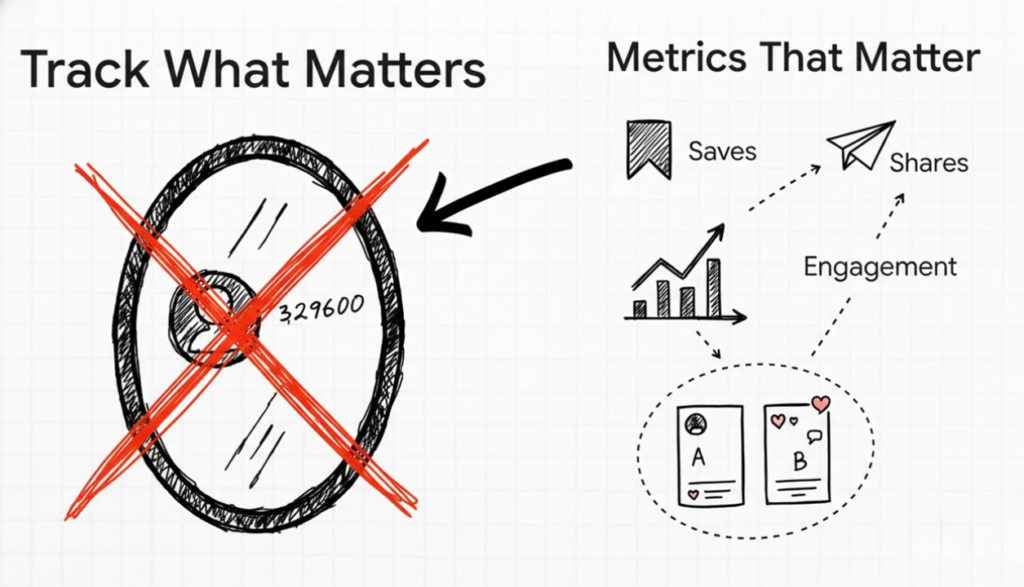
- Engagement metrics (likes, shares, watch hours) multiply visibility.
- Community interaction signals, comments, answers, are algorithm gold.
For startups with limited experience in social media marketing (SMM), I highly recommend reviewing SMM for Startups | 2026 Edition to optimize your outreach efforts.
Monetization Framework for YouTube Startups
A startup-friendly YouTube monetization framework might look like this:
- Ad Revenue: As your channel grows, start monetizing views. This becomes passive income that offsets initial investments.
- Sponsorships: Collaborate with complementary brands whose audiences align with your own.
- Memberships: Offer subscriber-only content for recurring revenue.
- Product Placement: Tie videos into your product offering, ensuring natural integration without being overtly “salesy.”
In essence, think of YouTube as a hybrid platform for marketing and fundraising. For a deeper discussion on balancing promotion vs education, check out Medium for Startups | 2026 Edition.
Common Mistakes to Avoid When Launching
- Ignoring consistency: Irregular uploads hurt visibility badly.
- Underestimating production value: Poor visuals/audio turn off viewers instantly.
- Overpromotion: Position yourself as a problem-solver, not a salesman.
- Neglecting analytics: YouTube provides powerful metrics; use them religiously to tweak content strategy.
- Skipping collaborations: Partnering with established YouTubers can provide shortcuts to loyal subscriber bases.
Every mistake on this list can set your growth back weeks, if not months. As someone who designs game-based incubator systems for startups, I’ve seen founders lose traction because they “wing it” rather than relying on structured processes. Start smarter.
Next Steps
- Plan: Identify your startup’s niche and target audience.
- Schedule: Commit to weekly upload timelines.
- Invest: Dedicate a small budget to beginner-friendly tools like microphones, cameras, or editing software.
- Iterate: Use YouTube Studio analytics to refine your approach week-by-week.
At Fe/male Switch, we believe education should be active and slightly uncomfortable. Using YouTube as a real-world platform for startup learning can create the consequence-rich environment founders need to build resilience. So don’t wait, upload your first video this week, and learn from every mistake!
Key Takeaways
- Define a specific niche and craft engaging, mission-led content.
- Leverage YouTube’s algorithms to build organic scalability for your startup.
- Mix storytelling with practical monetization strategies for short-term survival and long-term growth.
- Avoid rookie mistakes to protect momentum: consistency and feedback loops matter most.
YouTube’s power isn’t the platform, it’s your creativity. You hold the key to transforming your startup’s vision into action, one video at a time.
People Also Ask:
How do I launch a startup?
Launching a startup involves several steps like identifying a problem or need, conducting market research, and developing a business plan. You also need to establish a legal structure, build a minimum viable product, secure funding, recruit a team, and craft a marketing strategy. Execution and consistency are crucial throughout the process.
How to start a startup video?
Creating a startup video involves studying competitor approaches, defining your product story, and presenting it in a way that highlights its strengths. Using platforms like YouTube, you can create a visual narrative that engages viewers and showcases your concept effectively.
How do I start up on YouTube?
To start up on YouTube, begin by identifying a specific niche or passion. Develop a memorable channel name that reflects your brand. Invest in essential equipment such as a good camera and microphone, learn video editing basics, and plan consistent content to attract and engage your target audience.
What are the 7 stages of a startup?
The seven stages include: ideation, creating a minimum viable product (MVP), securing investment, achieving product-market fit, implementing a go-to-market strategy, scaling the business, and reaching maturity. Each phase is critical for long-term success.
What are the essential steps to launch a startup on YouTube?
Launching a startup on YouTube entails defining your unique value proposition, tailoring content to your audience, and promoting your videos across social channels. Regularly post content to grow an engaged audience, and analyze performance metrics to optimize future uploads.
What tools can help in starting a startup?
You can utilize tools for project management, customer communication, design, and financial tracking. Examples include Slack for collaboration, Canva for design, Trello for project planning, and QuickBooks for financial management. Using the right tools helps streamline your operations.
How do I create content for a startup YouTube channel?
Start by understanding your target audience's needs. Create educational, entertaining, or insightful videos that align with your business goals. Content ideas include tutorials, behind-the-scenes looks at building your product, or customer testimonials.
What are common mistakes to avoid when launching a startup?
Common mistakes include failing to research the market, targeting a too-broad audience, neglecting cash flow management, and launching a product without adequate testing. Addressing these potential pitfalls early can increase your chances of success.
How effective is YouTube for startups?
YouTube can be an excellent platform for startups due to its ability to reach vast, diverse audiences. It allows businesses to build brand awareness, connect with customers visually, and share their story in an authentic and engaging manner.
How do startups find their audience on YouTube?
Startups can find their audience by identifying their target demographic and creating content that resonates with them. Using analytics tools to understand viewer preferences and experimenting with different video styles can further refine audience engagement strategies.
FAQ: Launching a Startup on YouTube
What tools can boost video production quality for startups?
Free tools like Canva and CapCut allow non-technical founders to create polished visuals and videos. Leverage AI-driven platforms to enhance editing, optimize content for engagement, and improve storytelling. Explore the benefits of AI Automations For Startups for maximizing efficiency in content creation.
How can startups identify a profitable niche on YouTube?
Research underserved niches with clear operational gaps and target specific problems your product solves. Competitive analysis of channels with similar audiences provides insights into ideal positioning and helps refine value-driven strategies. Review this guide on using Digg for startups for additional tips on niche targeting.
What are the best monetization options for startup-focused channels?
Channels can use ad revenue, product placement, sponsorships, and membership content as revenue streams. Integrate monetization strategies that feel natural and resonate with your audience while avoiding overt sales tactics. Balance promotion and education effectively to sustain long-term traction.
How do storytelling techniques elevate audience engagement?
Craft compelling narratives by integrating your startup’s mission, challenges, and milestones into content. Sharing authentic experiences and humanizing the journey builds trust and keeps viewers invested. Story-driven content like tutorials and case studies fosters deep connections, as described in Threads for Startups.
What role does YouTube SEO play in building a startup’s presence?
Optimized video titles, tags, and metadata improve discoverability for niche audiences. Use YouTube’s analytics to monitor engagement and tweak your approach based on traffic trends. Learn more about enhancing visibility through YouTube SEO updates.
Can partnerships with creators accelerate YouTube growth?
Collaborating with established YouTubers or influencers in related niches helps boost credibility and expand your reach. Leverage partnerships strategically to access loyal subscriber bases without significant marketing expenses. This grows your viewer network organically while building mutual trust.
How can startups effectively use YouTube Ads without overspending?
Targeted campaigns, audience segmentation, and testing ad formats minimize costs while maximizing impact. Allocate small budgets initially, focusing on impactful placements. The latest YouTube Ads strategies for startups offer budget-friendly options to amplify customer engagement.
How does community-building enhance startup scalability on YouTube?
Creating authentic interactions in live chats, comment sections, and feedback loops fosters loyalty among viewers. Active community management ensures long-term engagement, adapting content to audience needs. With consistent presence, your startup’s growth accelerates efficiently.
Which metrics are crucial for tracking startup success on YouTube?
Focus on watch times, retention rates, click-through rates, and audience interaction levels. YouTube Studio analytics offer actionable data to refine your content, helping establish stronger engagement and visibility. Continuous metric-driven modification is key to sustained scaling.
What common mistakes should startups avoid on YouTube?
Avoid inconsistent uploads, poor-quality videos, and excessive promotional messaging. Failure to use analytics or neglecting collaborations can hinder growth. Build structured processes, ensuring strategic content release schedules and partnerships to protect momentum and visibility. Check out SMM for Startups for more community-focused strategies.
About the Author
Violetta Bonenkamp, also known as MeanCEO, is an experienced startup founder with an impressive educational background including an MBA and four other higher education degrees. She has over 20 years of work experience across multiple countries, including 5 years as a solopreneur and serial entrepreneur. Throughout her startup experience she has applied for multiple startup grants at the EU level, in the Netherlands and Malta, and her startups received quite a few of those. She’s been living, studying and working in many countries around the globe and her extensive multicultural experience has influenced her immensely.
Violetta is a true multiple specialist who has built expertise in Linguistics, Education, Business Management, Blockchain, Entrepreneurship, Intellectual Property, Game Design, AI, SEO, Digital Marketing, cyber security and zero code automations. Her extensive educational journey includes a Master of Arts in Linguistics and Education, an Advanced Master in Linguistics from Belgium (2006-2007), an MBA from Blekinge Institute of Technology in Sweden (2006-2008), and an Erasmus Mundus joint program European Master of Higher Education from universities in Norway, Finland, and Portugal (2009).
She is the founder of Fe/male Switch, a startup game that encourages women to enter STEM fields, and also leads CADChain, and multiple other projects like the Directory of 1,000 Startup Cities with a proprietary MeanCEO Index that ranks cities for female entrepreneurs. Violetta created the “gamepreneurship” methodology, which forms the scientific basis of her startup game. She also builds a lot of SEO tools for startups. Her achievements include being named one of the top 100 women in Europe by EU Startups in 2022 and being nominated for Impact Person of the year at the Dutch Blockchain Week. She is an author with Sifted and a speaker at different Universities. Recently she published a book on Startup Idea Validation the right way: from zero to first customers and beyond, launched a Directory of 1,500+ websites for startups to list themselves in order to gain traction and build backlinks and is building MELA AI to help local restaurants in Malta get more visibility online.
For the past several years Violetta has been living between the Netherlands and Malta, while also regularly traveling to different destinations around the globe, usually due to her entrepreneurial activities. This has led her to start writing about different locations and amenities from the point of view of an entrepreneur. Here’s her recent article about the best hotels in Italy to work from.


